 100% Criollo
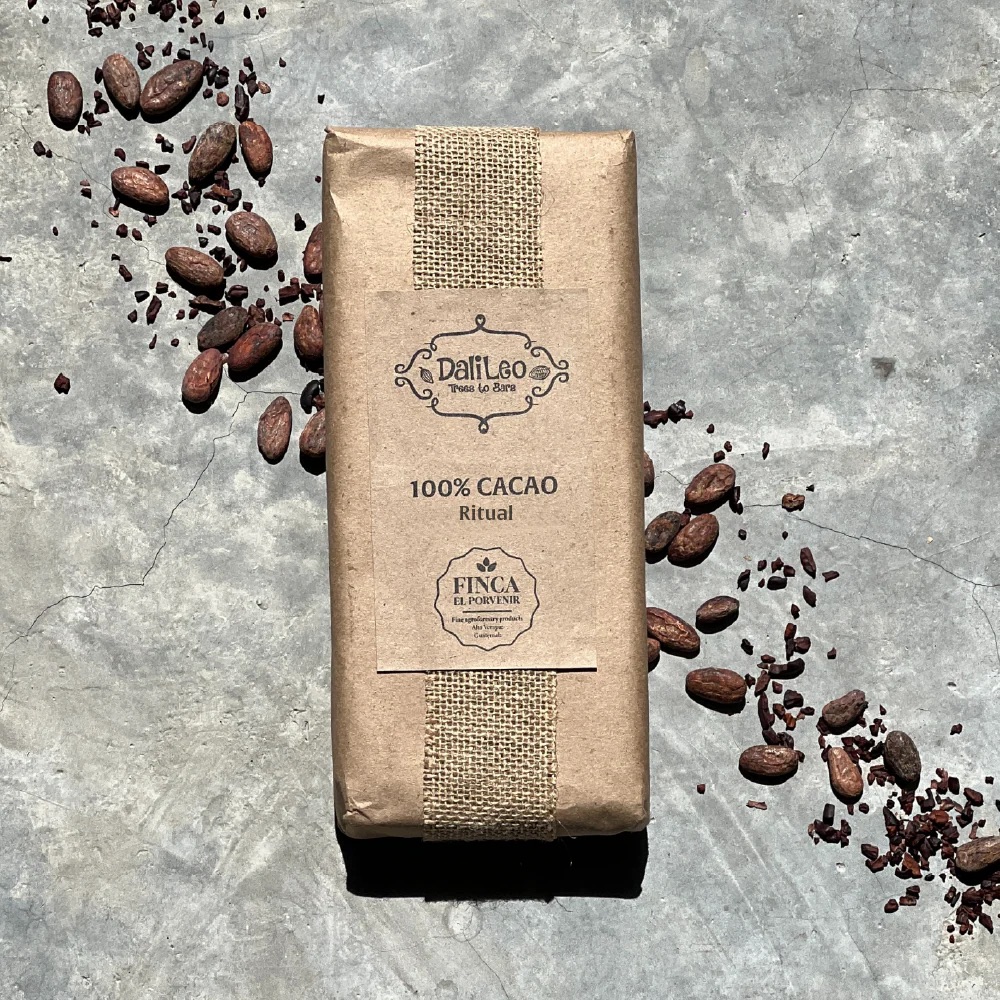
100% Cacao Ritual
100% cacaoCriolloAgroforestryStone-ground
42 € 450 g · 1 kg for 84 € · approx. 3.10 € per cup (33 g)
Go to the shop →
DaliLeo
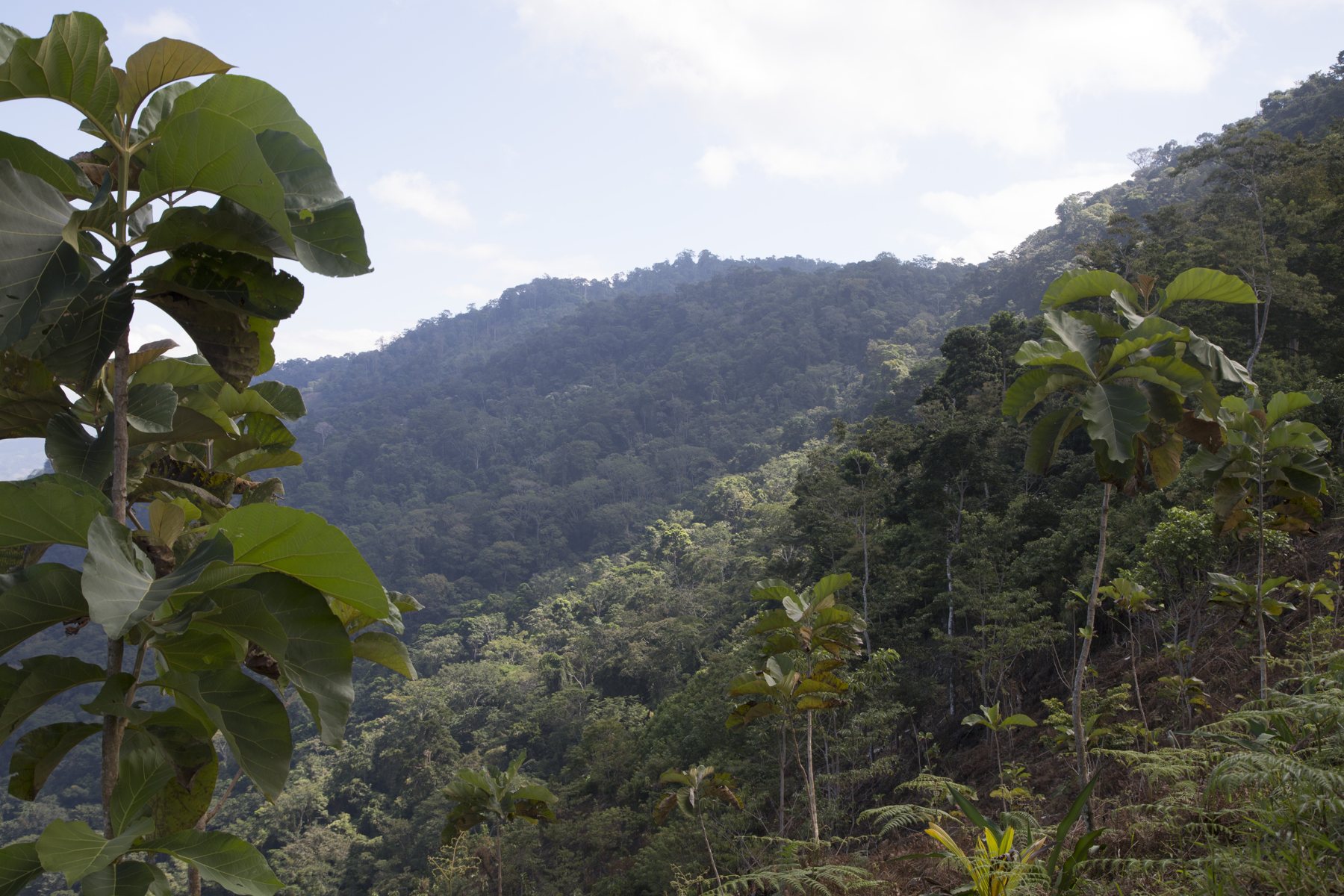
A once exhausted coffee plantation in the heart of Guatemala has become a diverse agroforestry system.
DaliLeo – that’s Beronica, Lorenzo and a forest that is bringing Criollo back.
A finca in the Polochic Valley, 450 hectares, a water-powered generator and an idea:
a former coffee plantation becomes a project to bring back Criollo cacao and restore the land, where everything – from seed to block – is made on site.
Finca El Porvenir lies in the Polochic Valley in Alta Verapaz, between Semuc Champey and the Río Dulce – on the land of the Q’eqchi’ Maya. Almost 20 years ago this was an old monoculture coffee plantation, and the forest around it was being cut down rather than cared for.
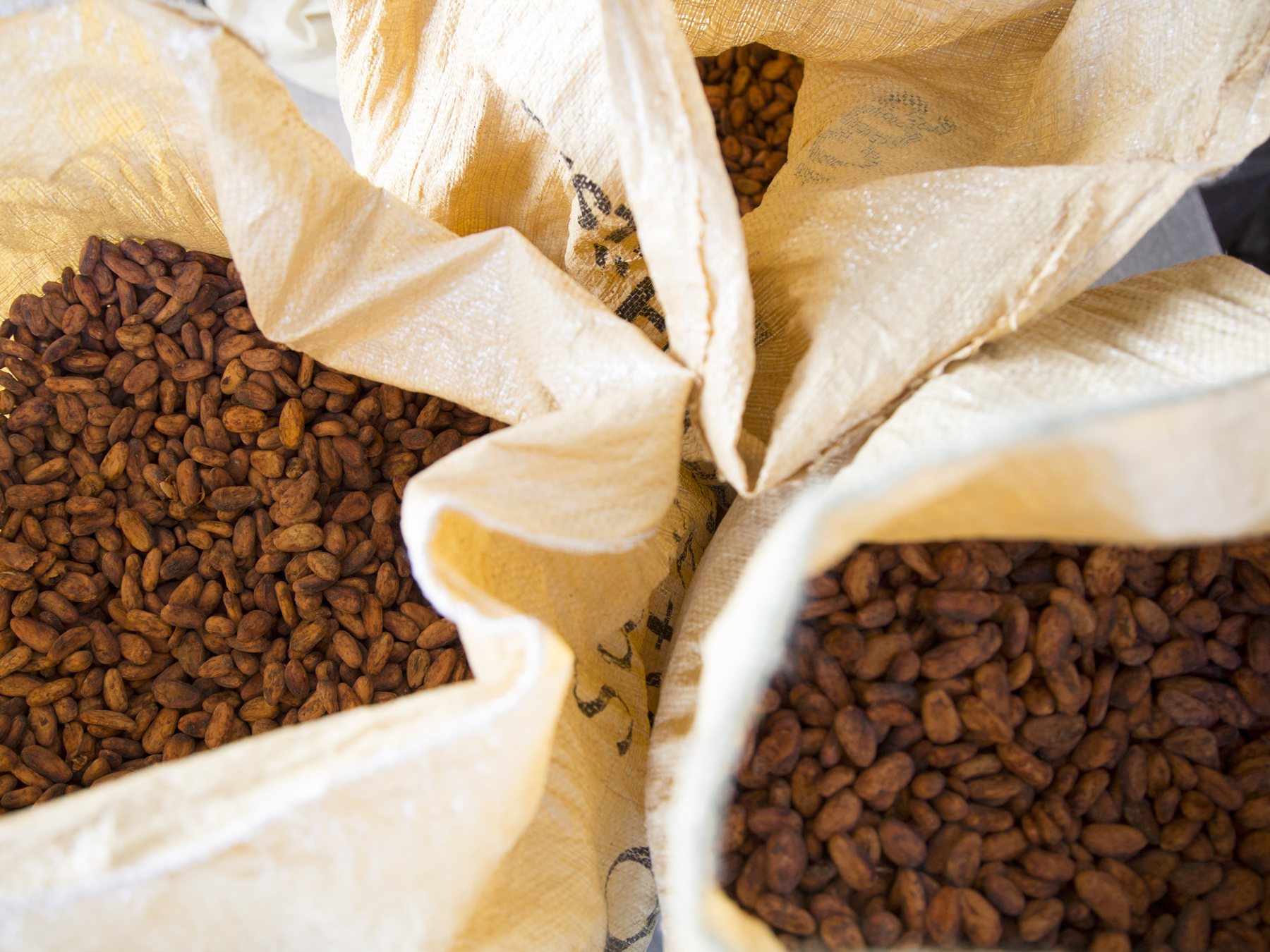
DaliLeo grows Criollo, the original cacao variety of Central America: fine, floral, barely bitter, with a creamy fat. Because Criollo bears fewer pods and is more delicate than hybrids, it has been pushed out almost everywhere. DaliLeo is bringing it back.
More about Criollo →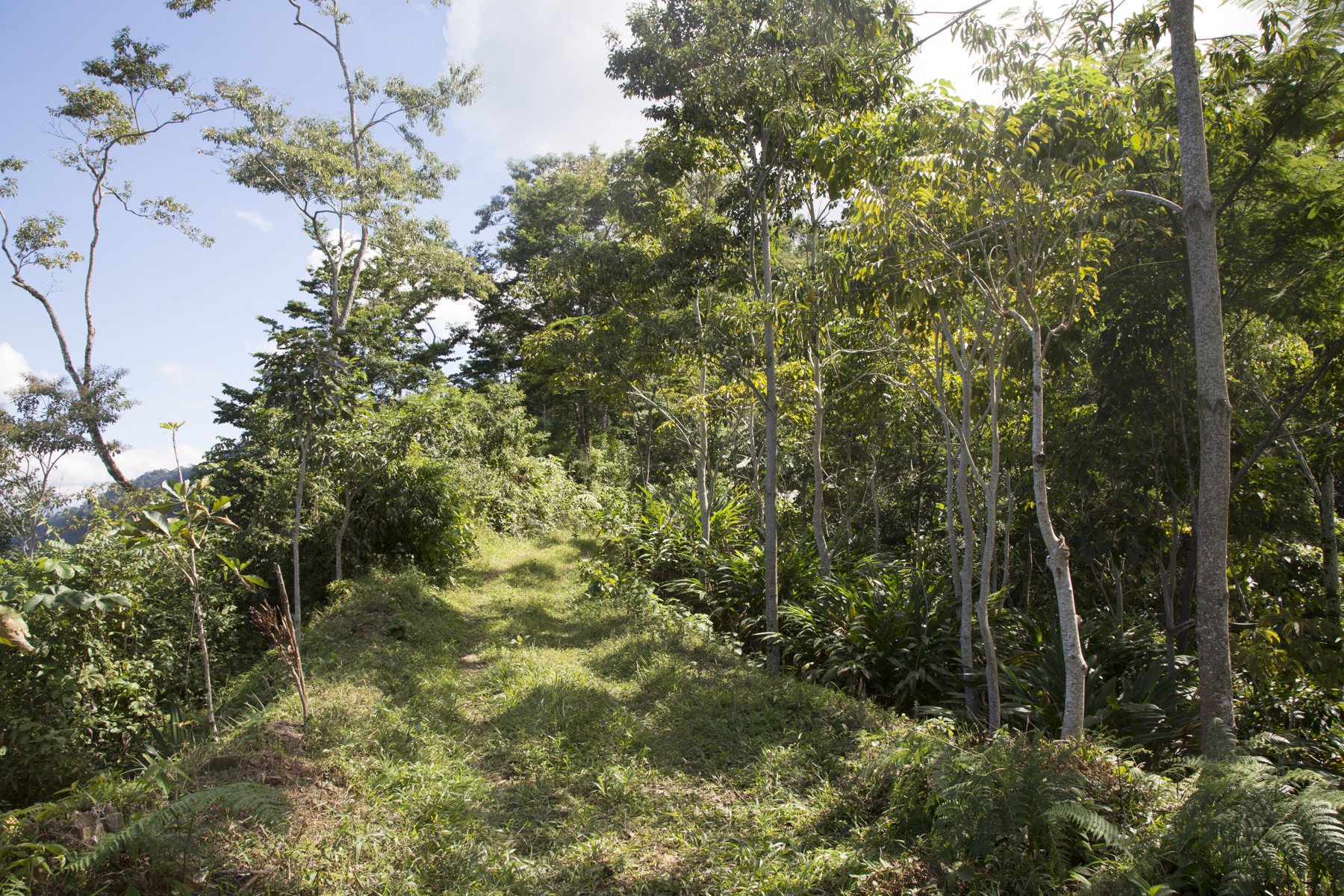
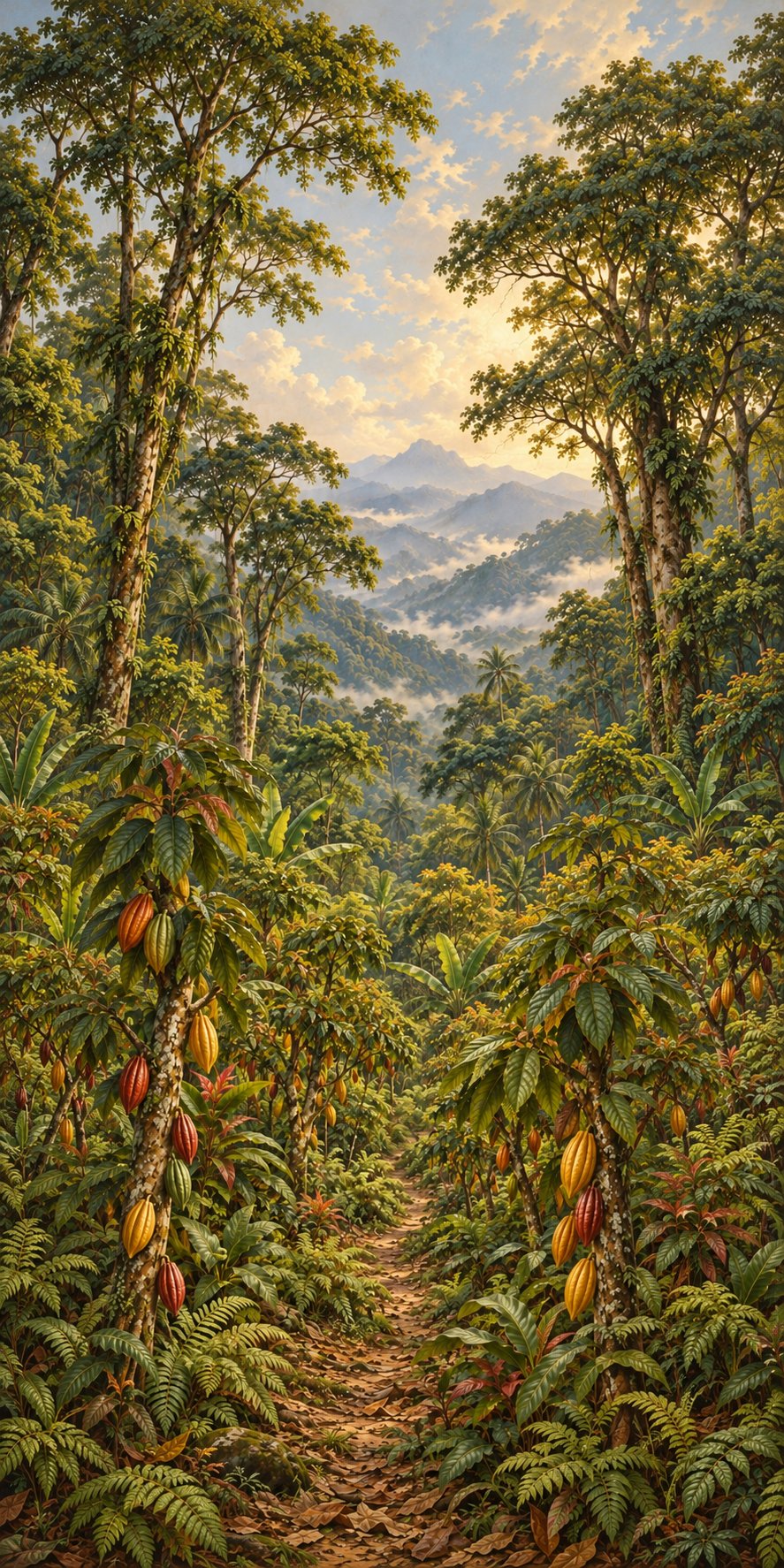
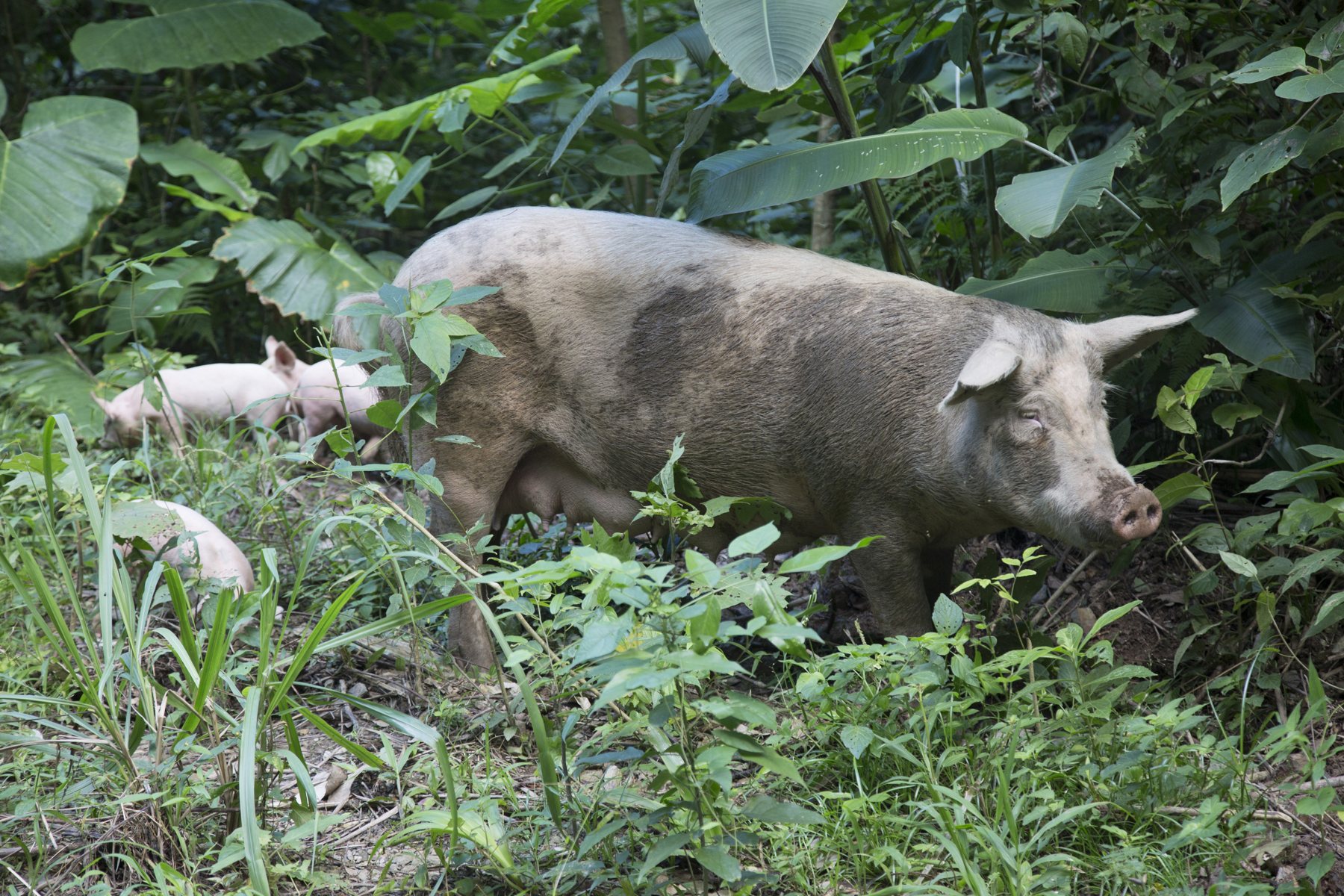
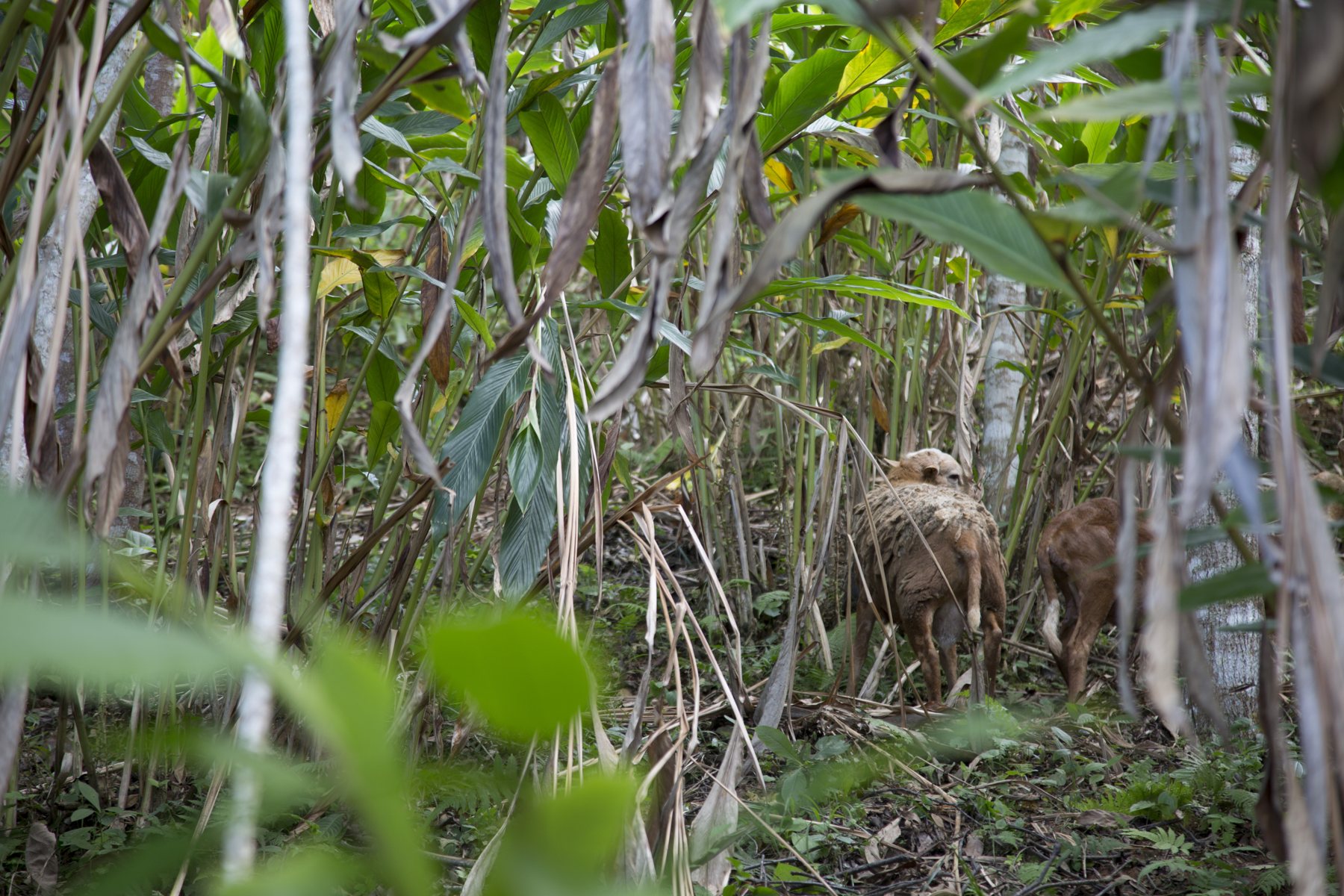
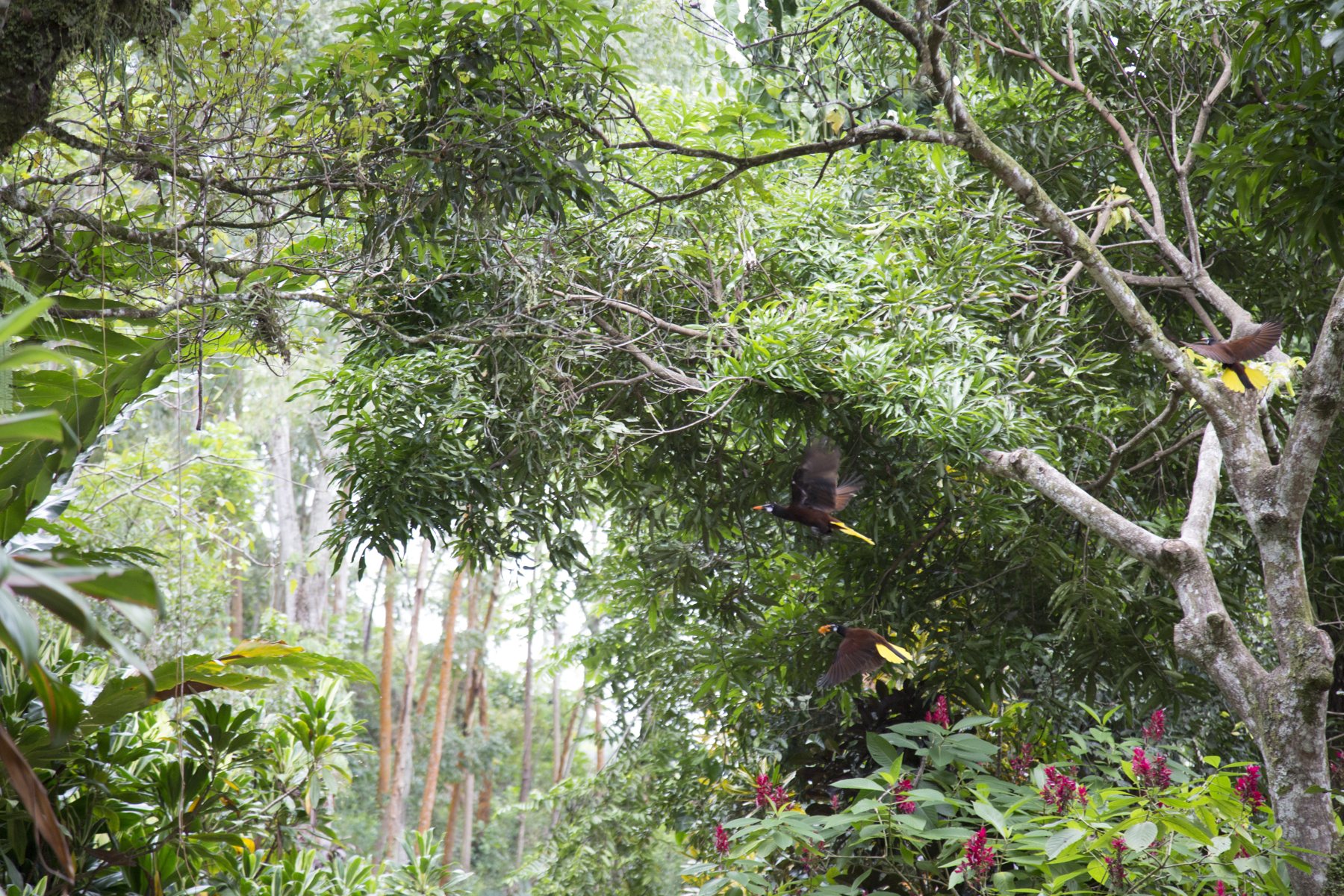
At DaliLeo, cacao doesn’t grow in rows but in a forest with several storeys: in the shade of tall hardwood trees, alongside cardamom and coffee. Pigs, sheep and other animals keep the undergrowth short and fertilise the soil.
The result: the soil holds more water, and the microclimate stays moist and cool – just as the delicate Criollo needs. Instead of chemicals, there are people with machetes – and a system that sustains itself.
More about agroforestry →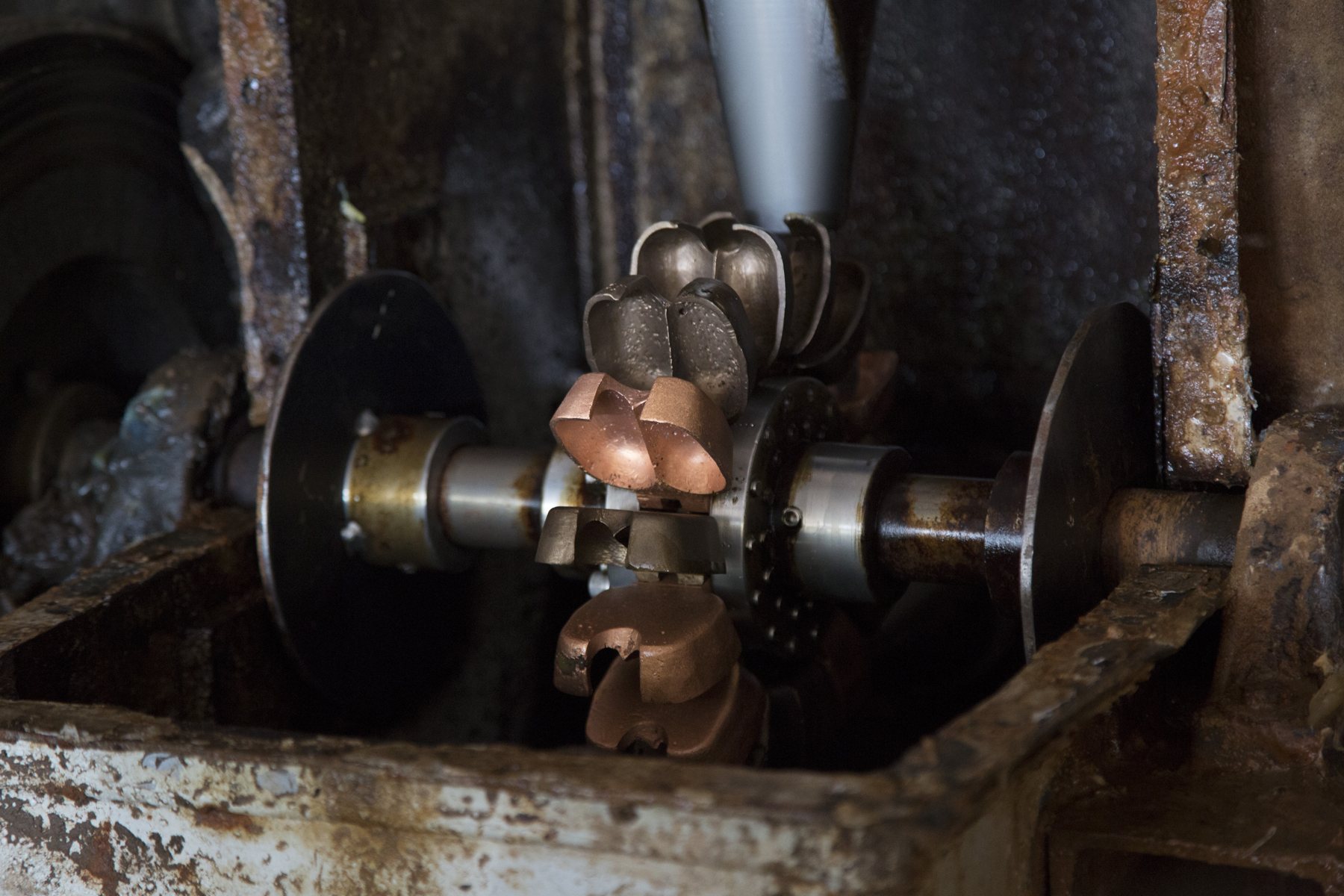
The finca is in a remote rural area – there was no electricity infrastructure there. Now its power comes from its own water turbine, fed by the springs on the land and topped up with solar. This means the lights, the workshop and the stone mills that grind the cacao all run on renewable energy.
Everything happens on the farm. Six steps, all by hand – and at the end, a block of one hundred per cent cacao.
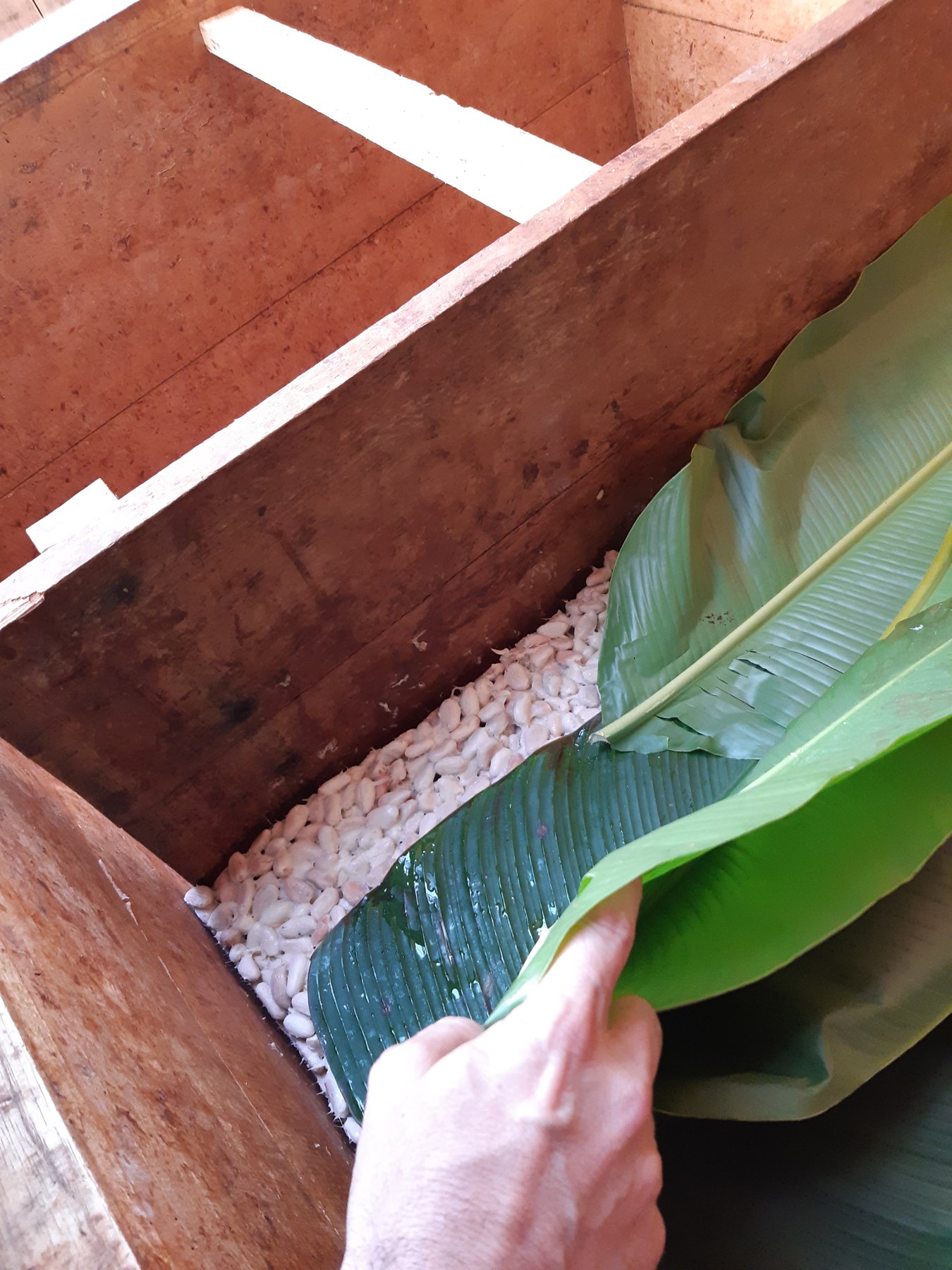
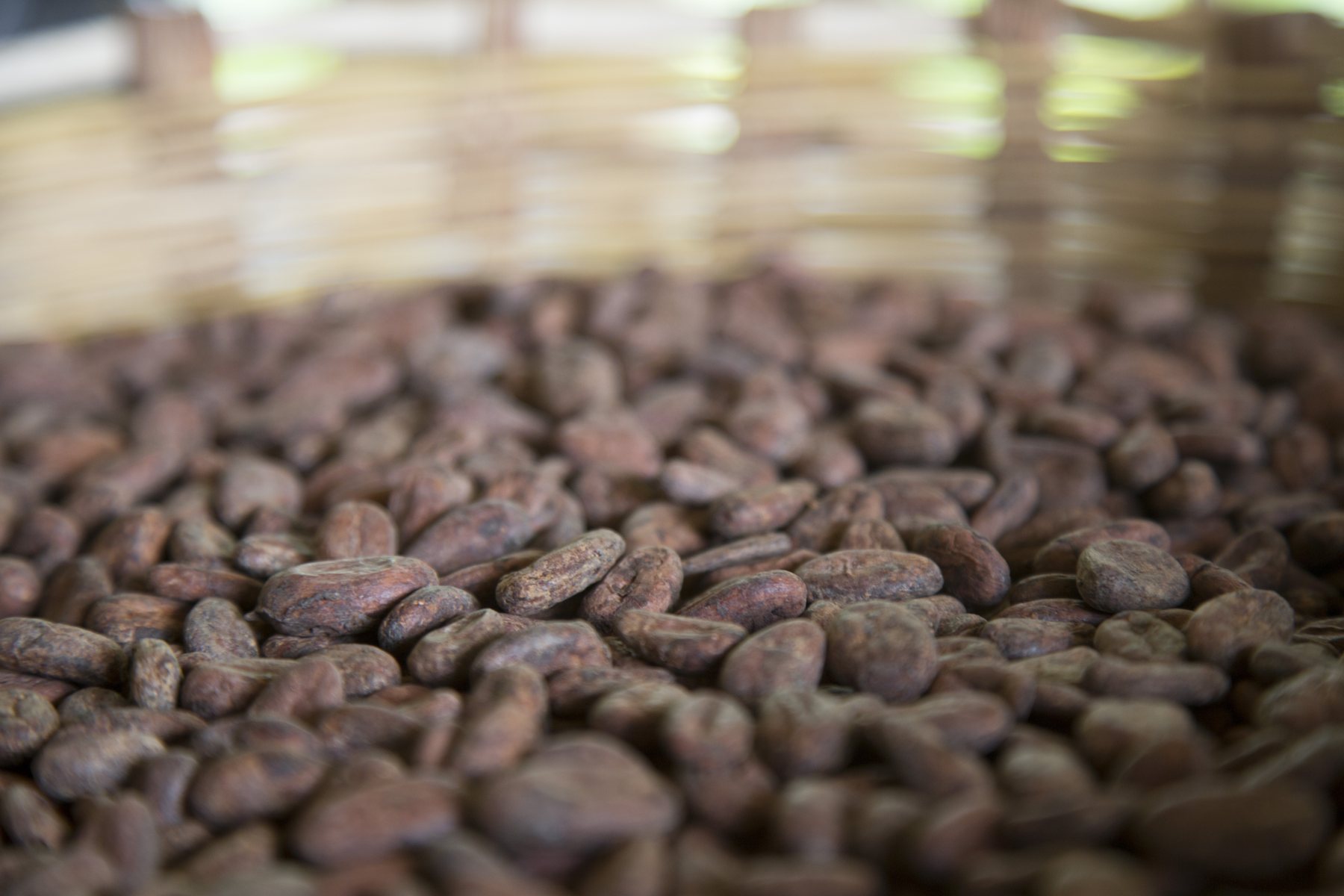
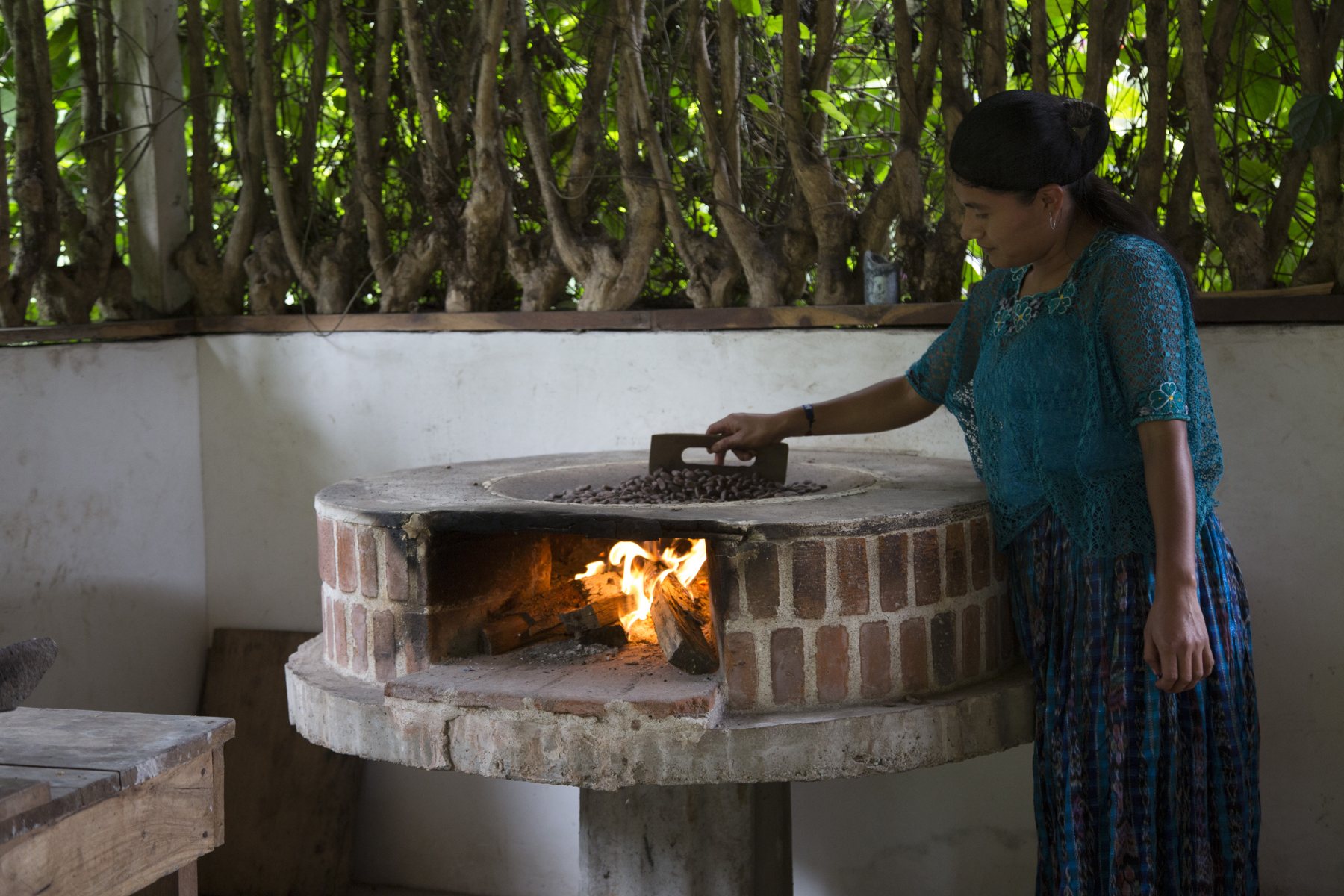
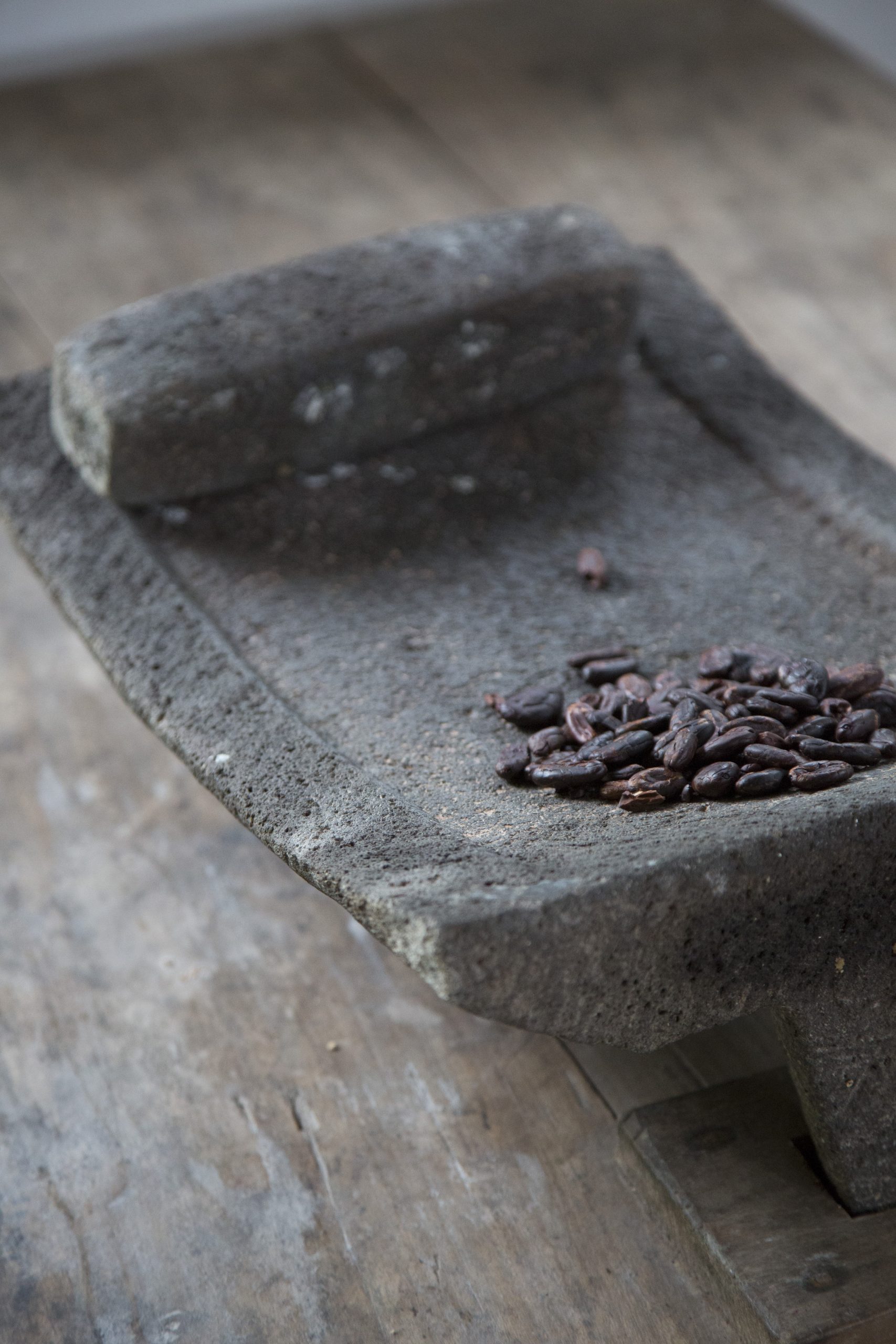
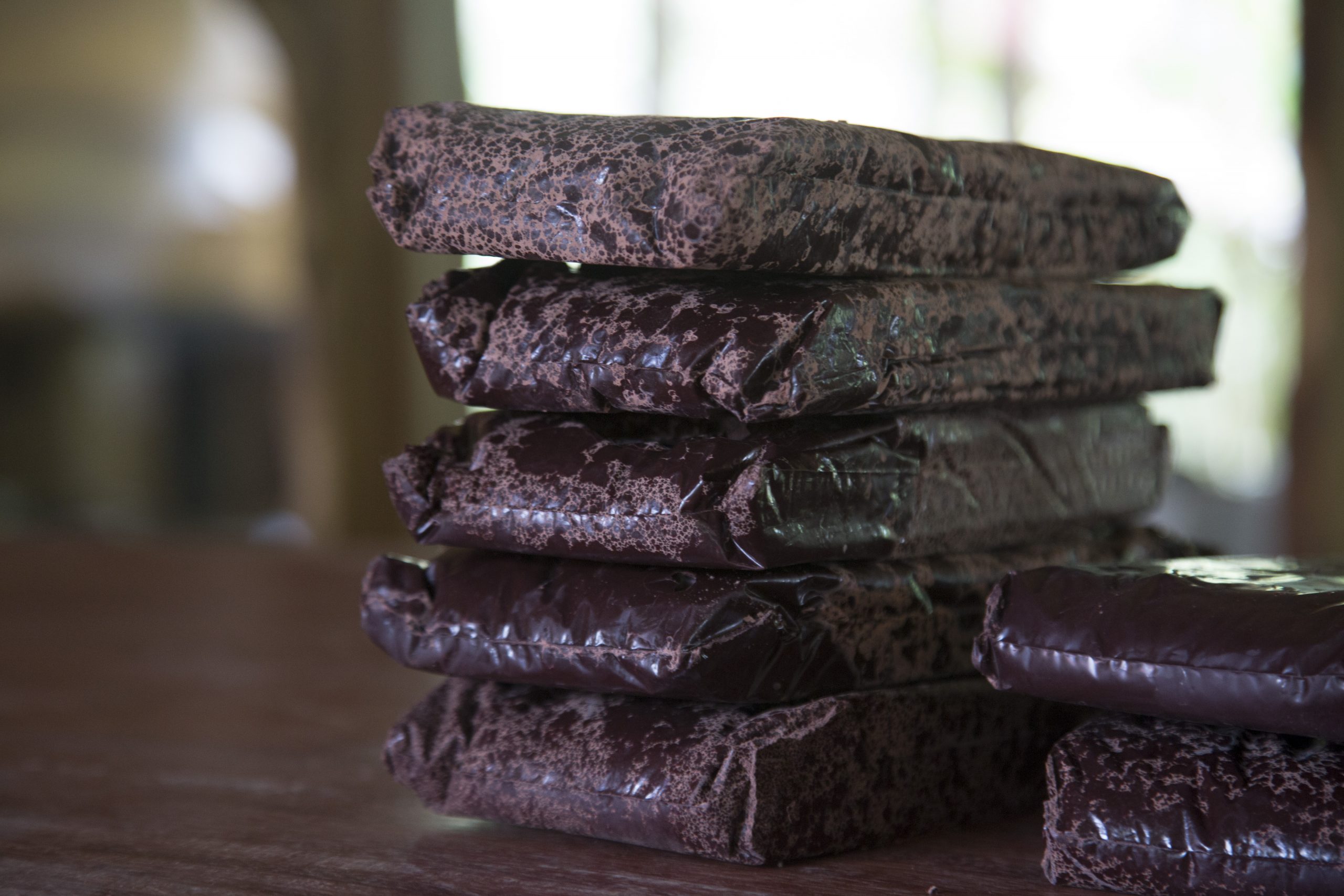
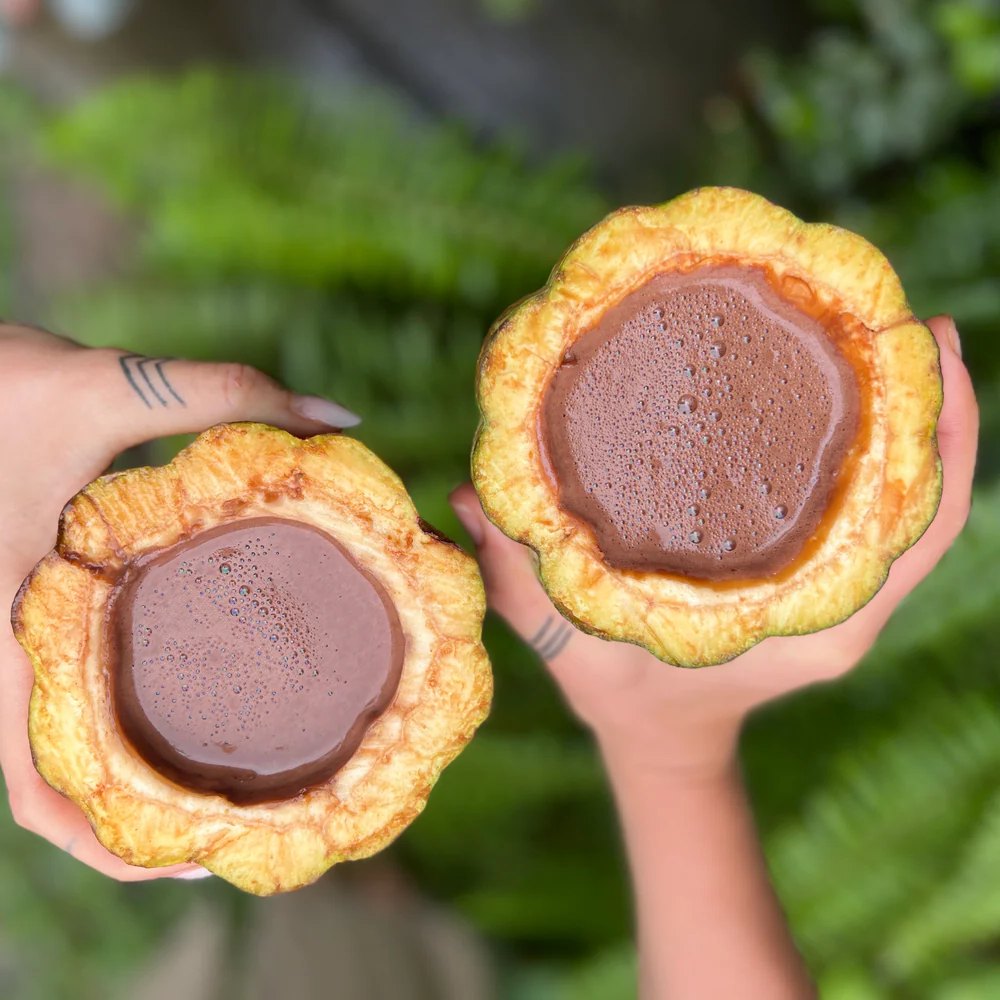
Cacao mass from regenerative agroforestry in Guatemala. Fermented, sun-dried, lightly roasted and finely stone-ground – creamy cacao, ideal for daily enjoyment & ceremonies.
100% CriolloBeronica and Lorenzo run the finca – she looks after production and quality, he builds the agroforestry system and the technical infrastructure. Working alongside them are families from the surrounding villages:
the women in processing, the men in tree care and harvesting.
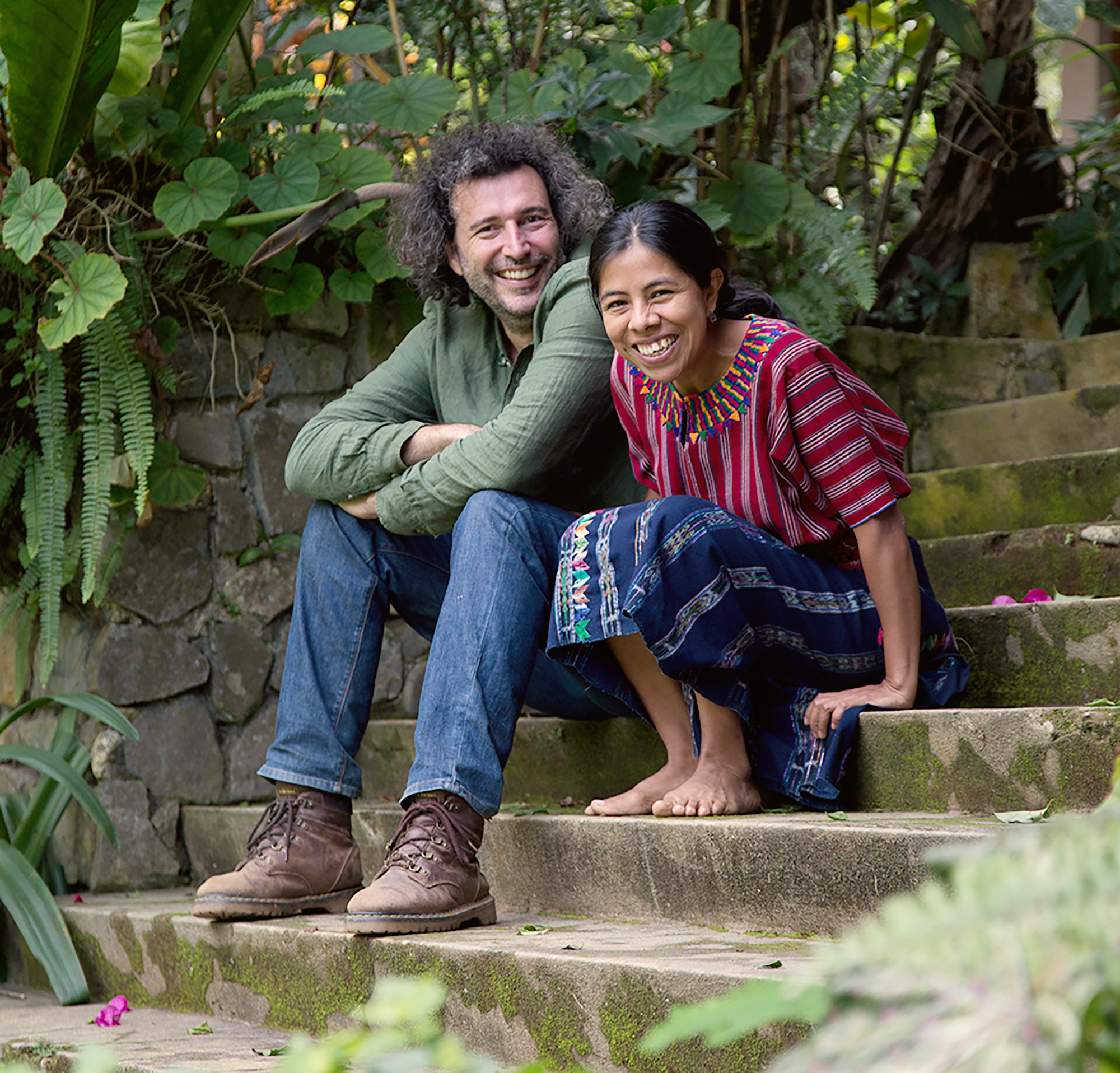
Beronica and Lorenzo met more than two decades ago – on Lorenzo’s journey through Guatemala. He came to the hotel where she was working in hospitality, and the two fell in love quite quickly.
During Guatemala’s economic crisis they bought the former coffee plantation together – and started a farm where Maya wisdom and agroforestry design go hand in hand.
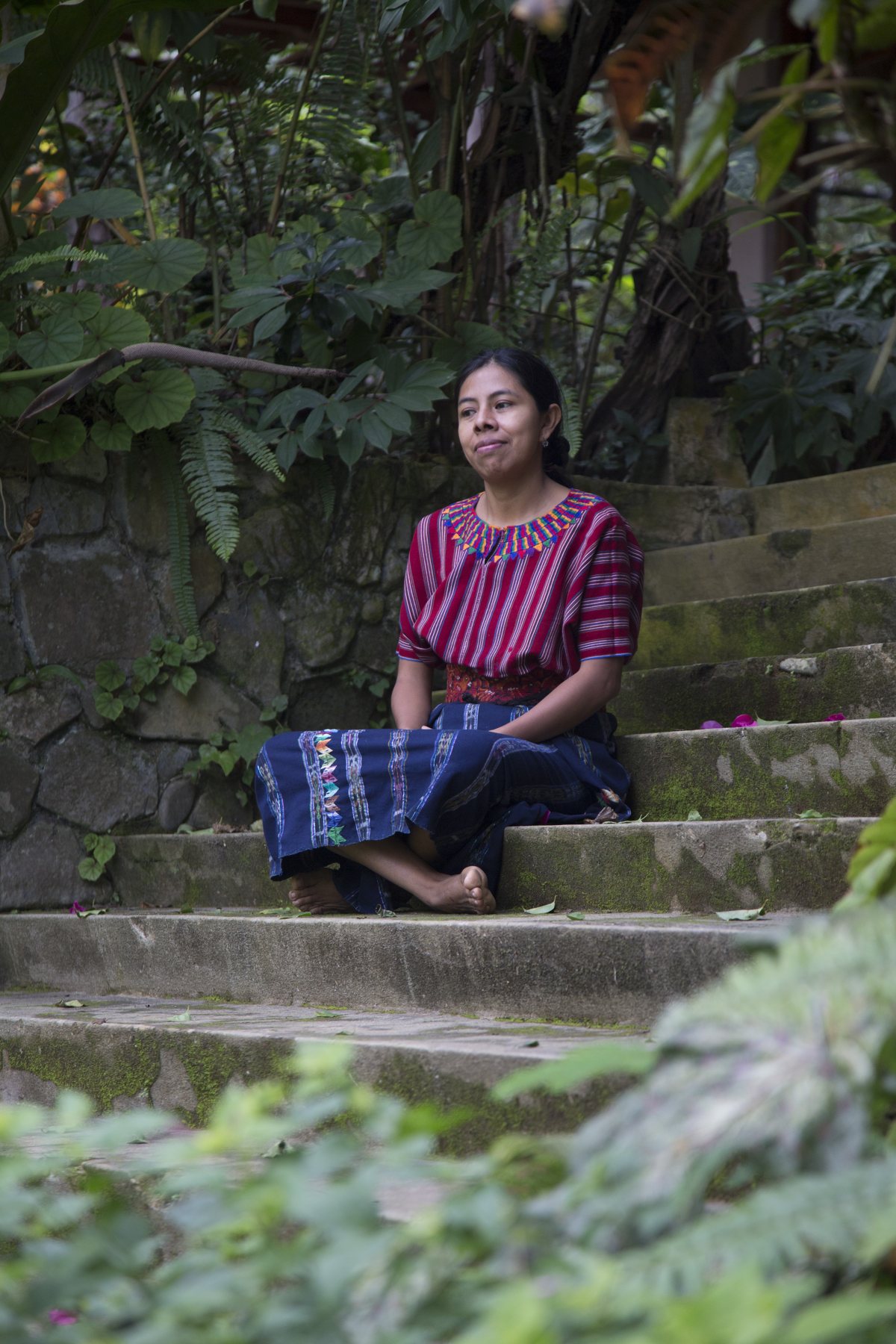
Giving out of love – and being grateful for what the land gives back.
Beronica is Kaqchikel Maya. As a child, she learnt from her grandmother how to grow cacao and how to care for the land. On the finca she is responsible for production and quality – from selecting the beans to the finished block. Her gratitude ritual is also part of the ceremonies on the farm.
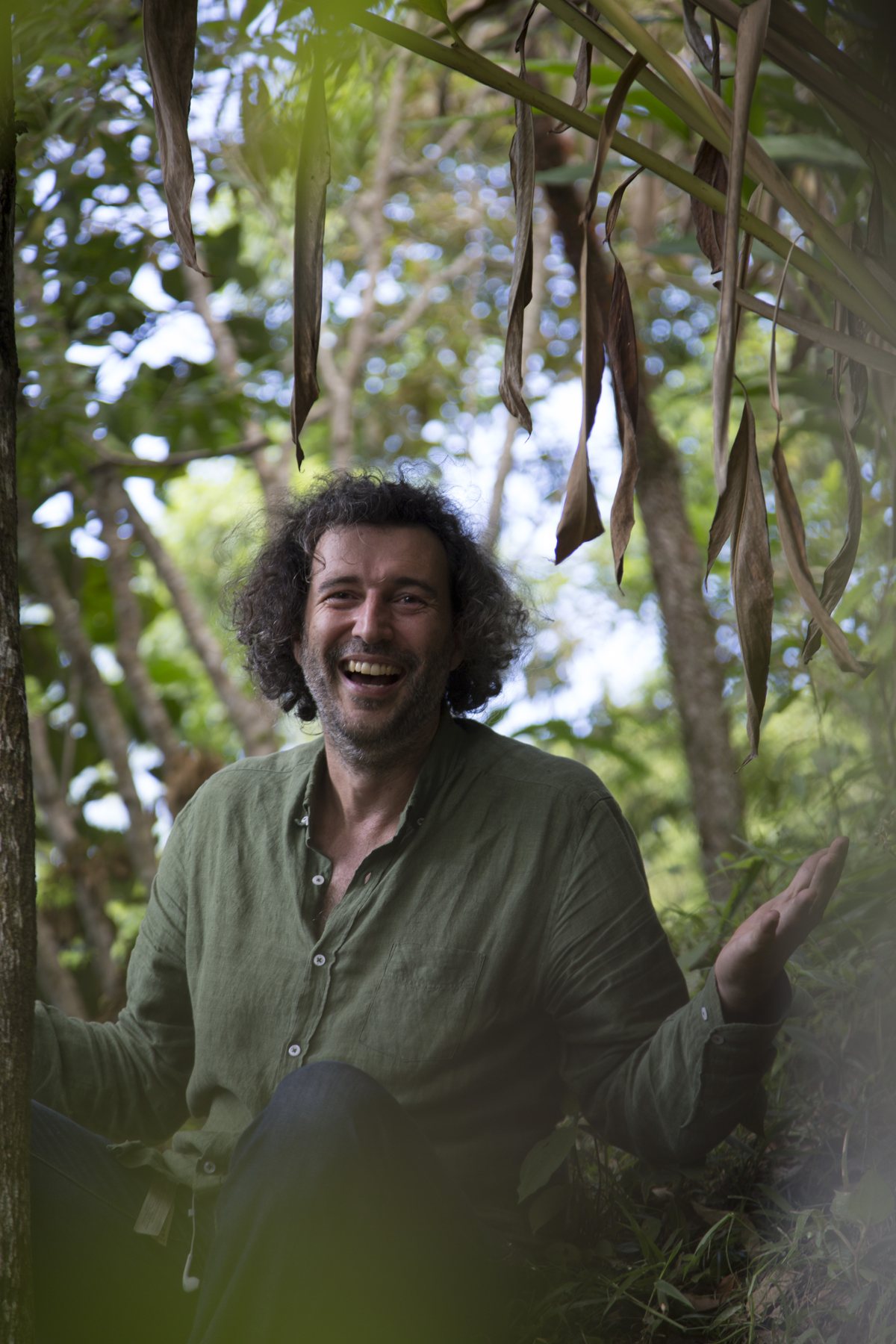
‘We don’t sell sweets.
Cacao is a medicine.’
Lorenzo comes from Québec and worked in finance in Montreal before leaving it all behind in the early 2000s. In Guatemala he found the abandoned coffee plantation – and designed an agroforestry system from it. For us, it is one of the most impressive farms we have seen in Central America so far.
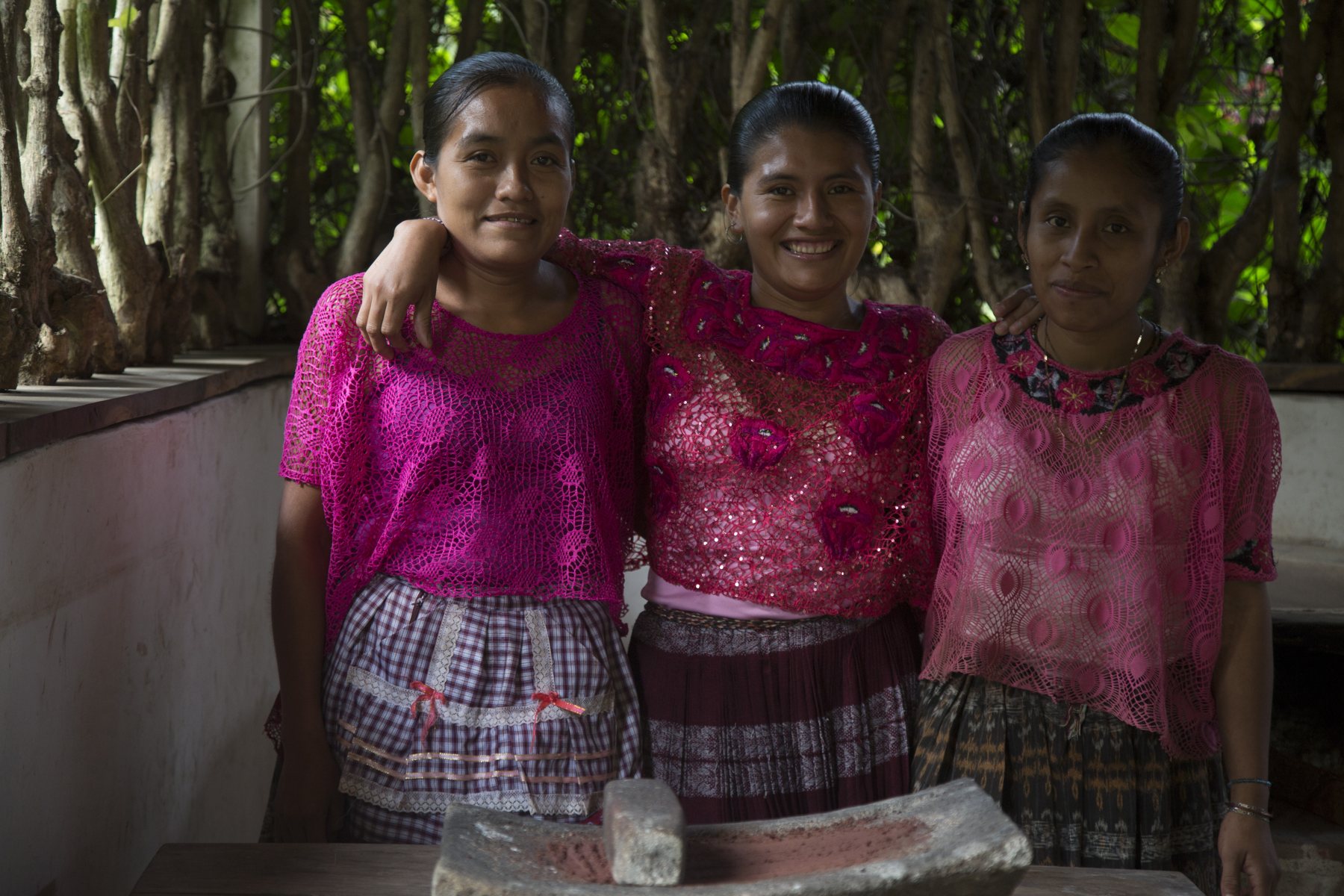
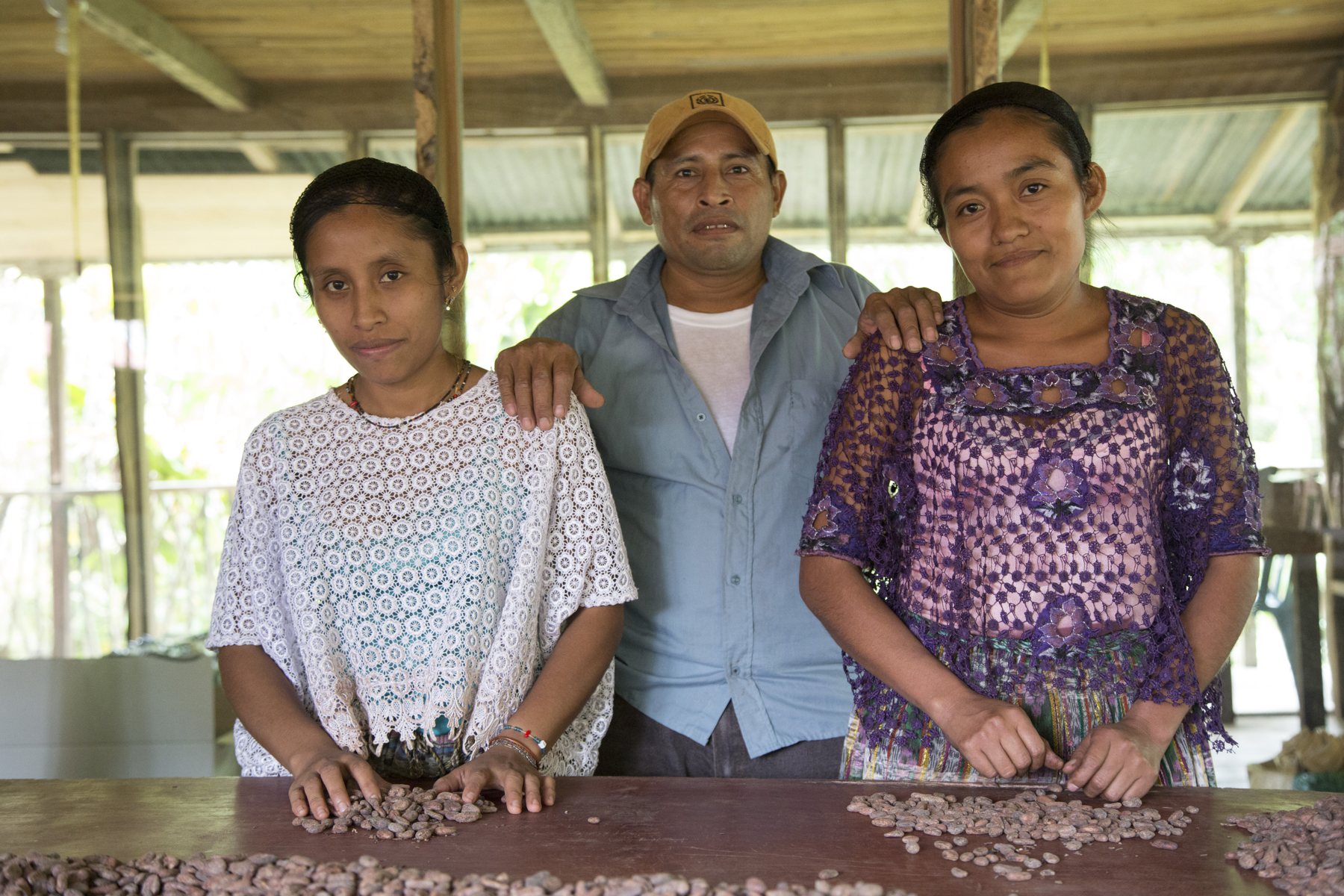
Processing on the finca is in women’s hands. The women sort the beans, watch over fermentation and drying, roast over the fire and grind the cacao. Roasting is a matter of feel: light and short, so that the aroma is kept.
The farm offers secure work especially to single women from the area. They are trained here and can do their own work, independent of men – which, sadly, is still unusual in Guatemala.
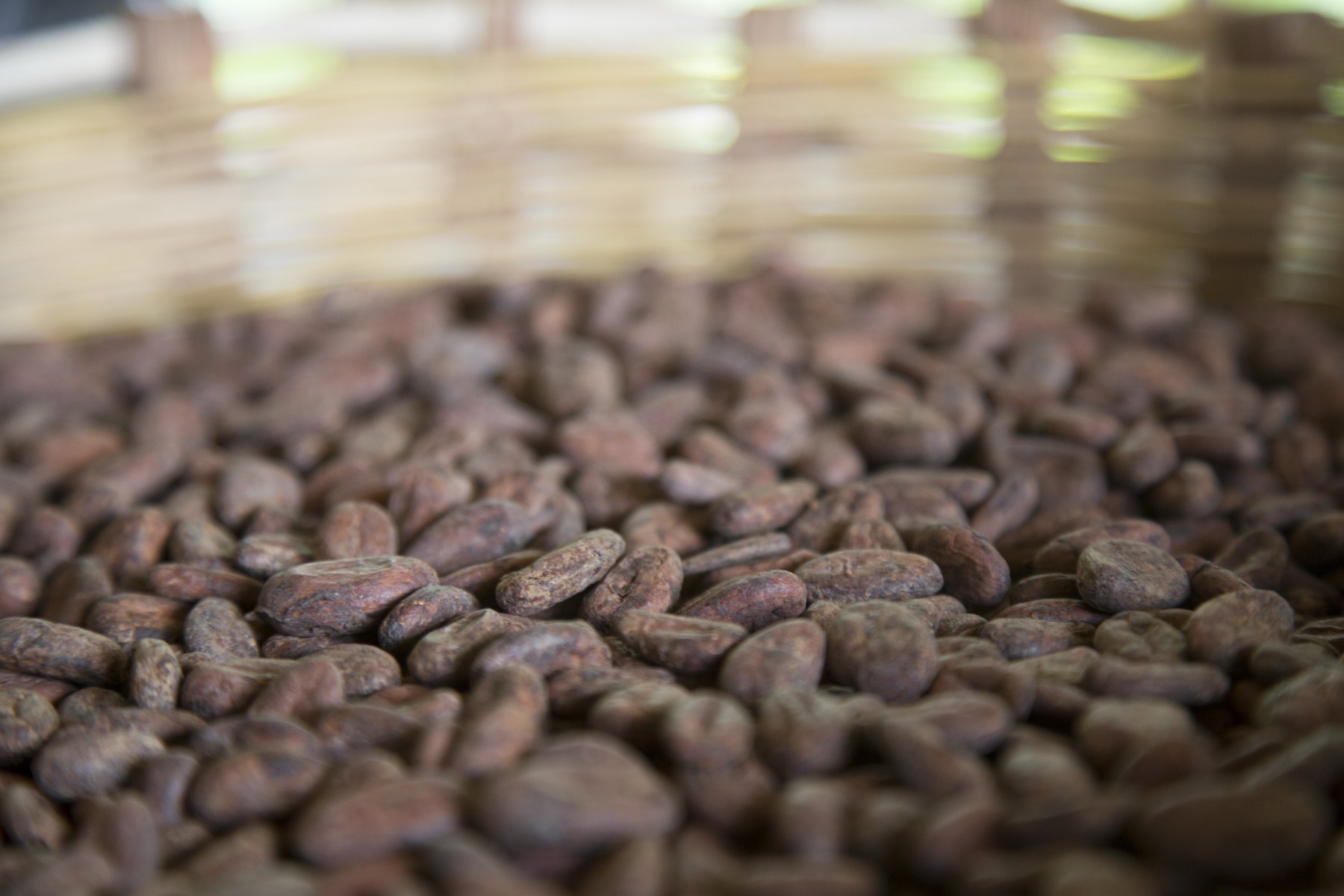
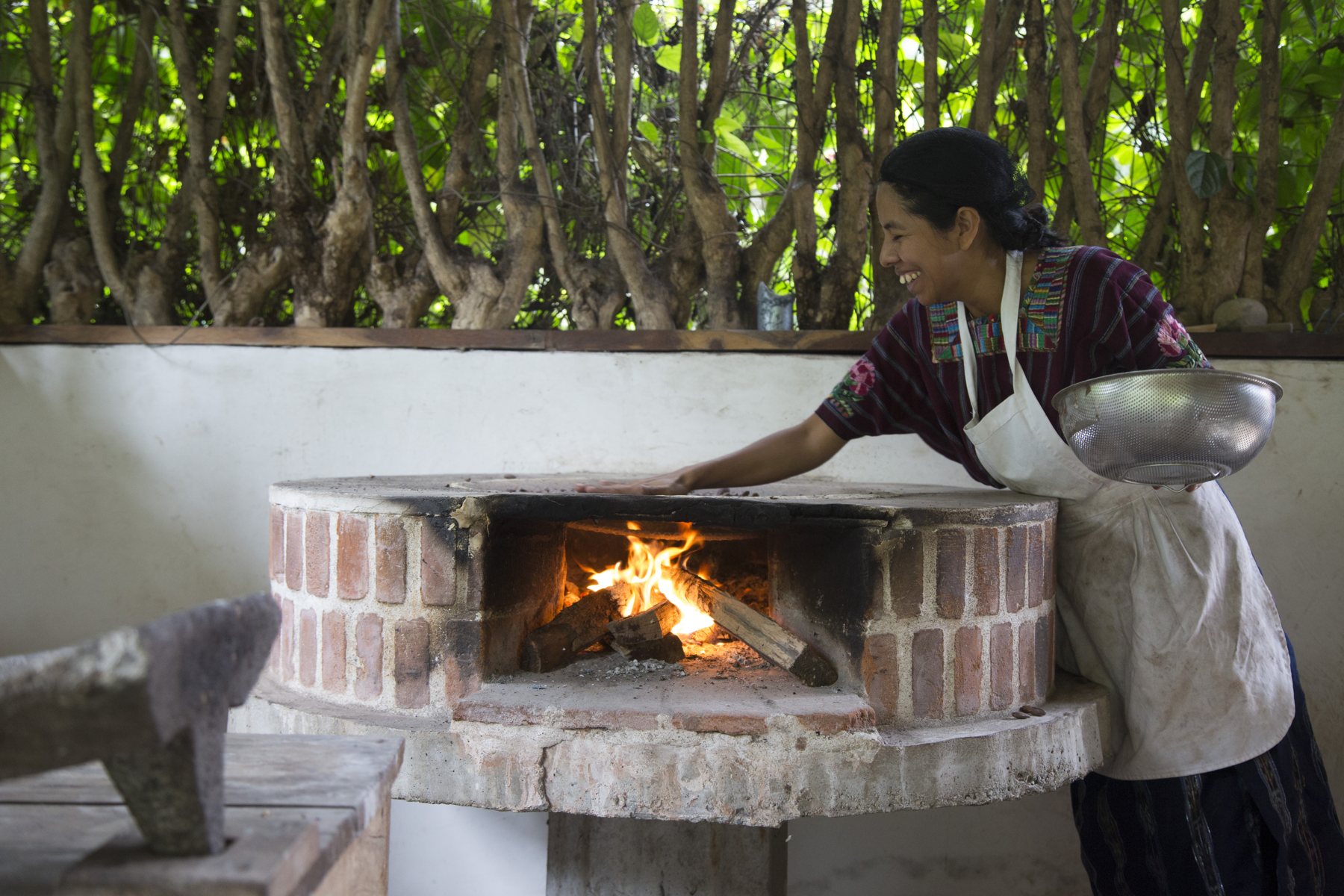
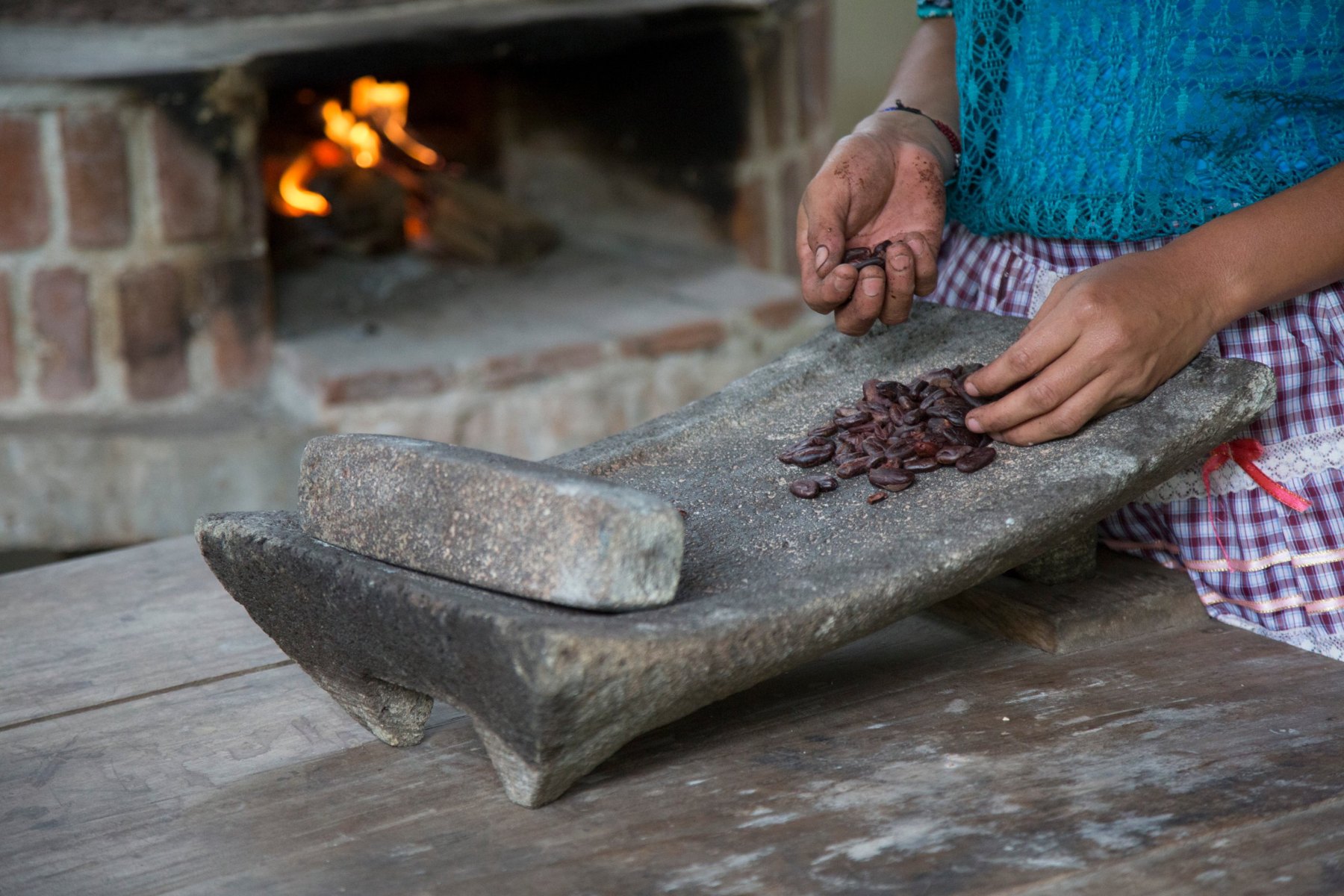

The men look after the soil and the trees: they cut back the undergrowth, graft young trees, replant, harvest and keep the paths clear.
All by hand – across 450 hectares.
‘If I had used herbicides, I would have saved around 300,000 dollars in twelve years,’ Lorenzo works out. Instead, that money has become jobs – for men from the surrounding Q’eqchi’ villages, with training in the craft of cacao and an income that stays in the valley.
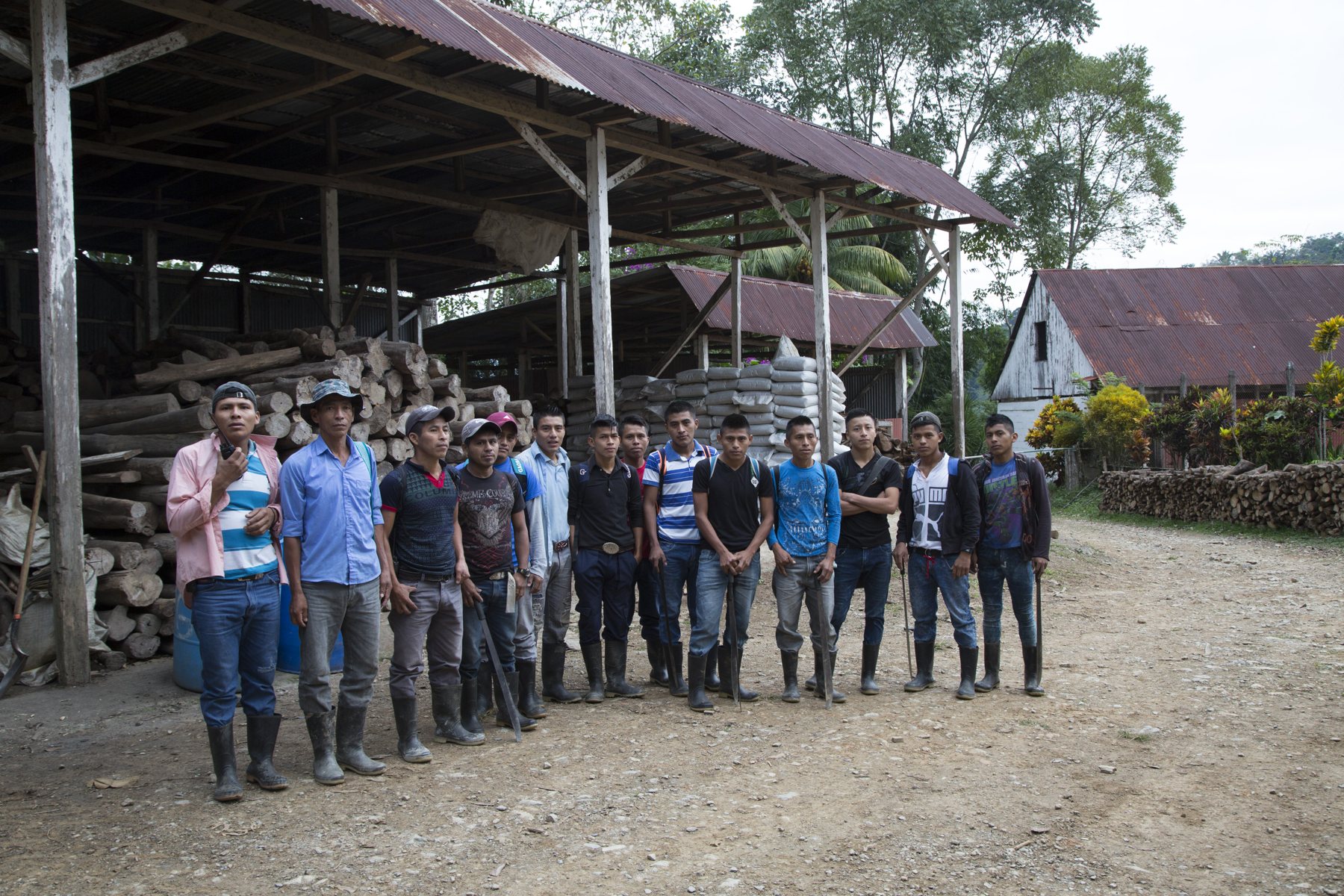
Depending on the season, up to sixty people from the surrounding villages live and work on the land.
Meals are cooked together; more than eighty per cent of the food comes from the farm’s own land.
Then there are the guests: permaculture design courses, ‘Cacao Convergences’ and ceremonies accompanied by elders from the region – with marimba, fire and cacao. In this way the finca remains a place where knowledge is passed on in both directions.
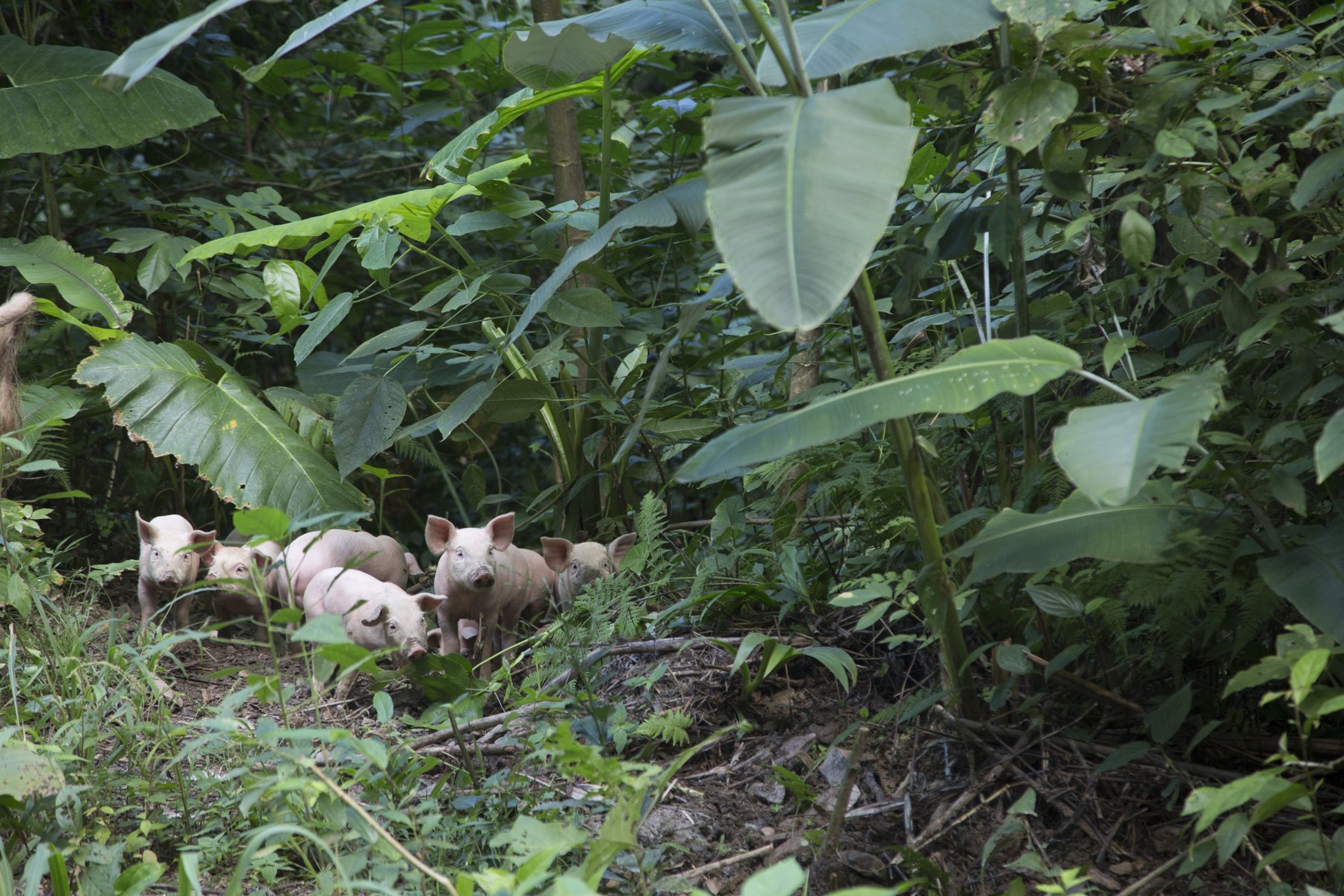
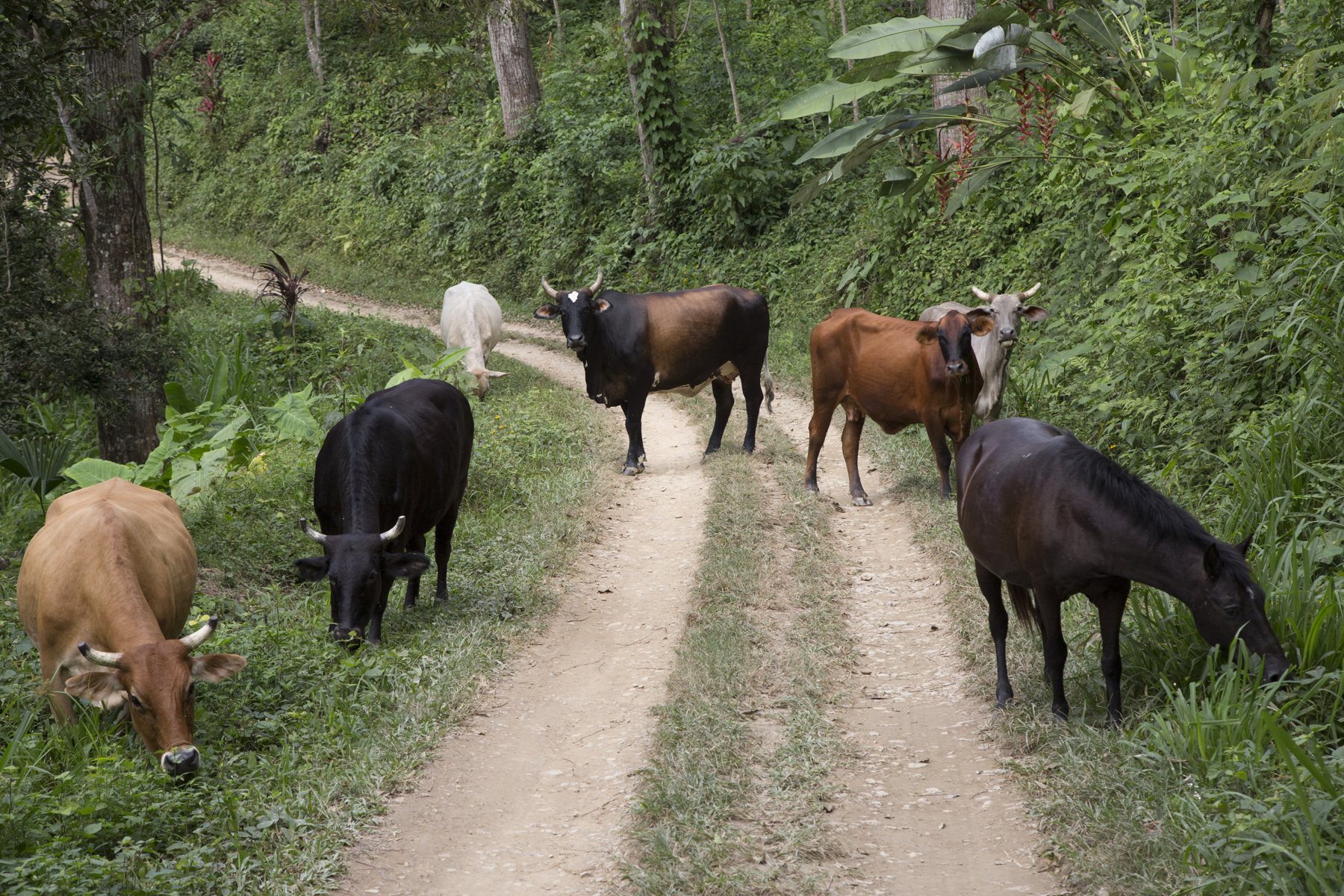
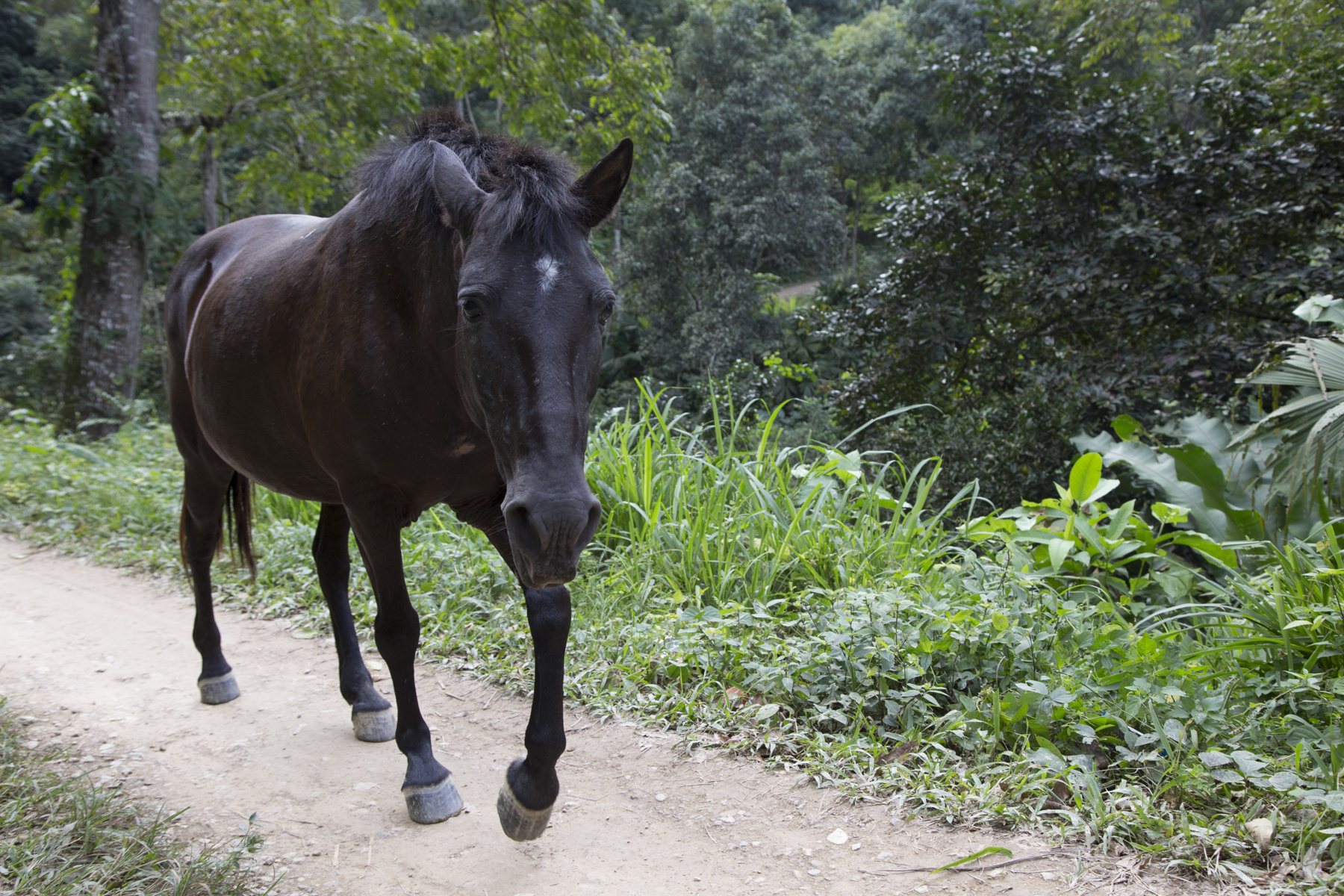
Pigs, sheep, cows, horses, birds – they keep the undergrowth short, fertilise the soil and are as much a part of the finca’s community as the people.
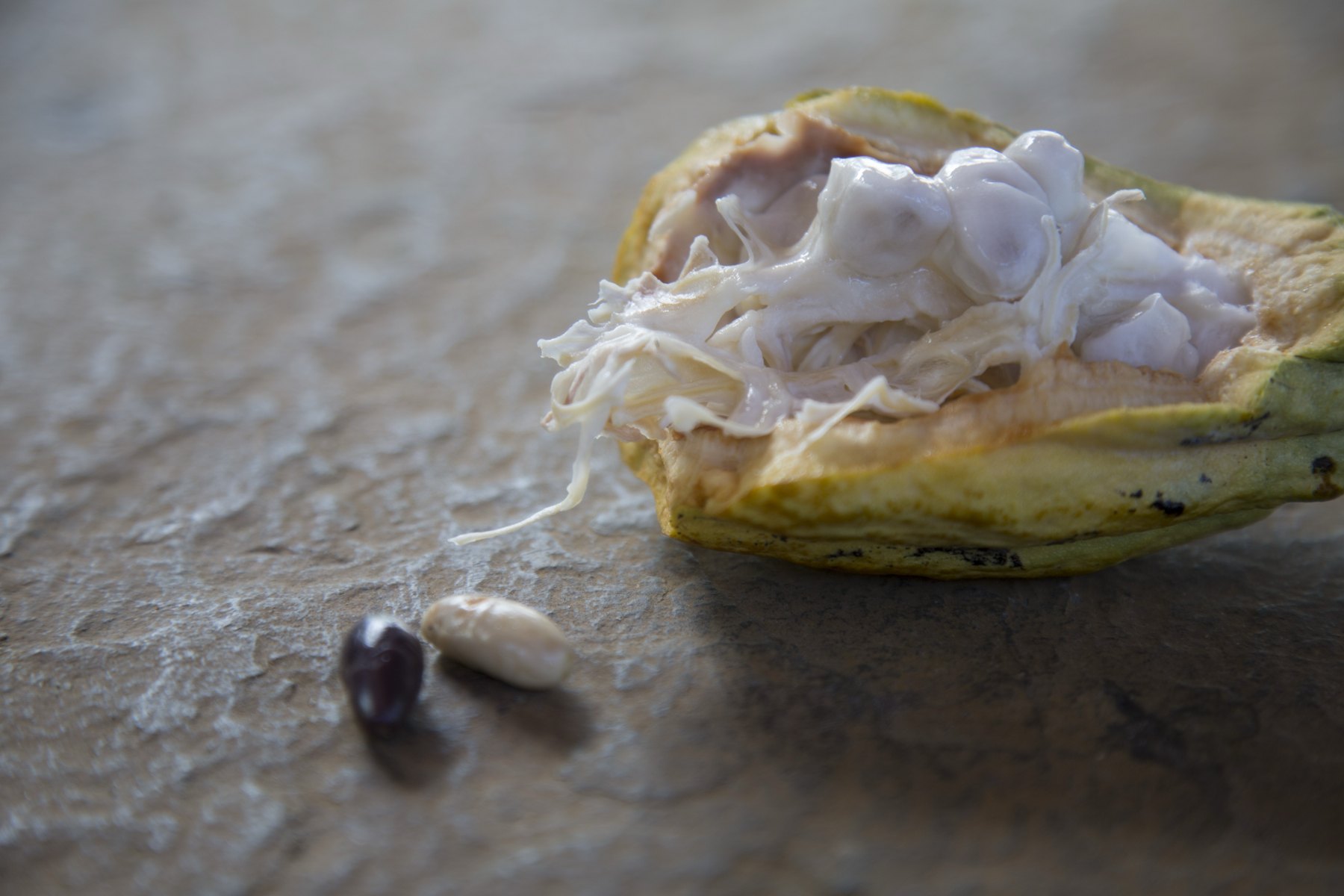
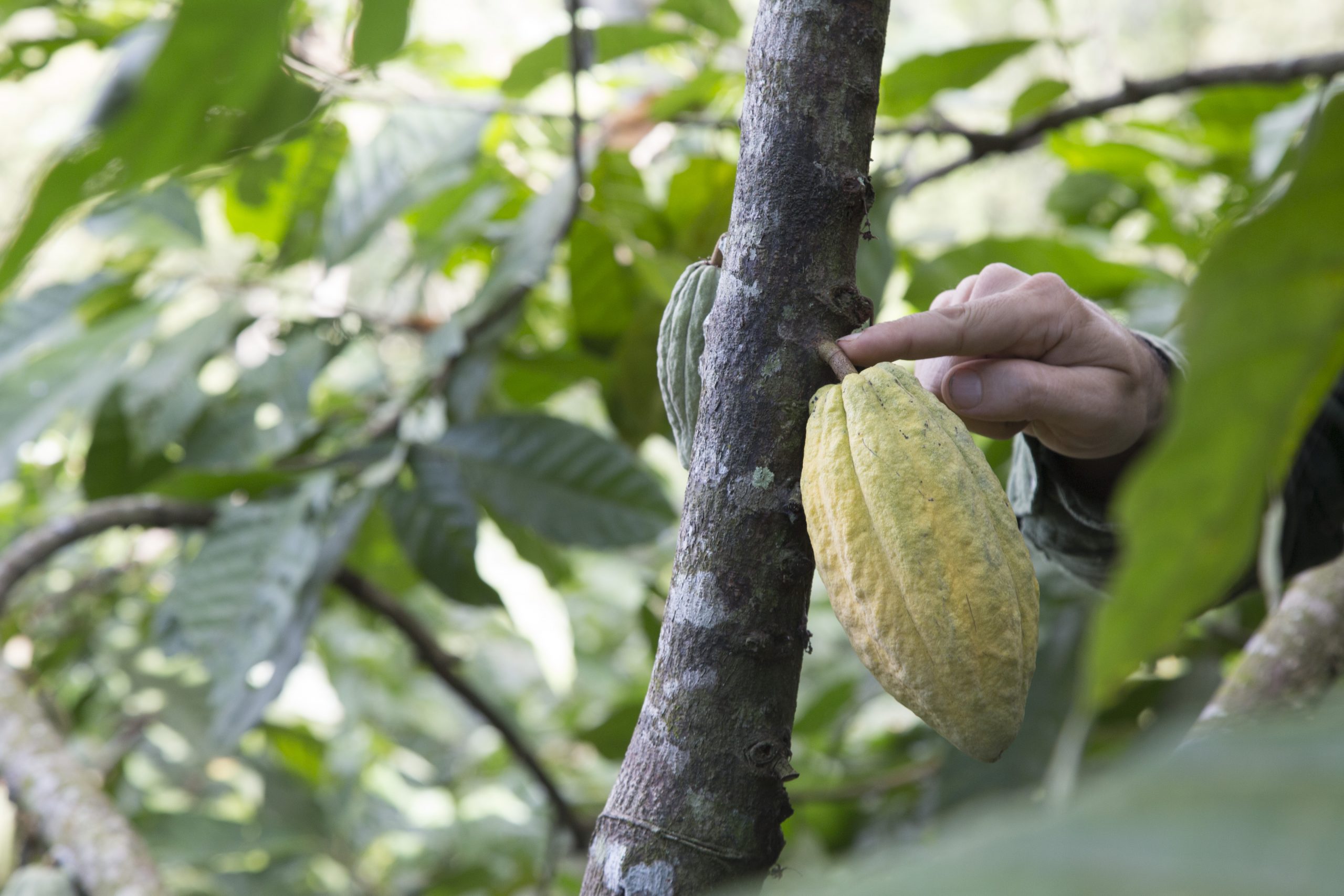
True Criollo Blanco has white beans that only turn purple after a short period of drying; hybrids and Forastero are purple from the start. Because cacao is cross-pollinated, the beans in a single pod can have up to 30 different fathers – Criollo genetics are quickly diluted when other varieties grow nearby.
Lorenzo searched the region for pure trees and found 19 Criollo mother trees, which he keeps isolated. The farm is divided into sectors, the trees stand around 4.5 metres (15 feet) apart and natural barriers separate the lines – this keeps cross-pollination under control; hybrids are systematically removed.
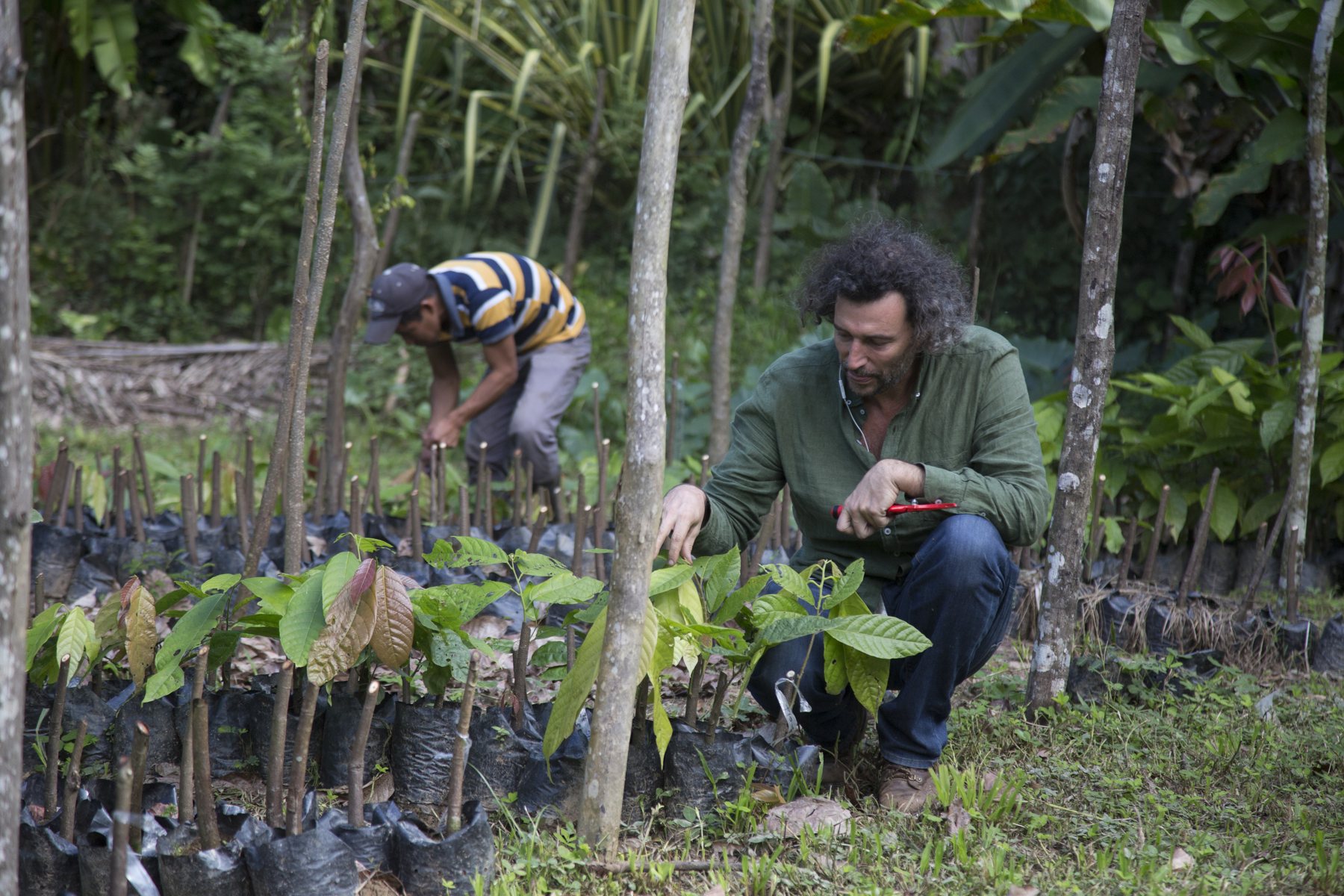
So that the Criollo line grows instead of disappearing, young trees are grafted: shoots from old trees with a high share of white beans are grafted onto strong rootstocks. Lorenzo and the men of the finca do this by hand, cut by cut.

Agroforestry means that crops don’t grow in open fields but in a forest with several storeys – just as in nature. Trees, shrubs, herbs and animals complement each other instead of competing.
Cacao is an understorey tree: in nature it grows in the partial shade of larger trees, protected from blazing sun and wind. That is exactly what Lorenzo recreates.
The harvest per tree is smaller than in the usual monoculture plantations.
But in return, an agroforestry system offers more diversity: cardamom, coffee, hardwood trees such as teak, mahogany and cedro (Spanish cedar), honey, meat and fish – as well as greater resilience to diseases such as moniliasis (frosty pod rot) and to changes in the climate.
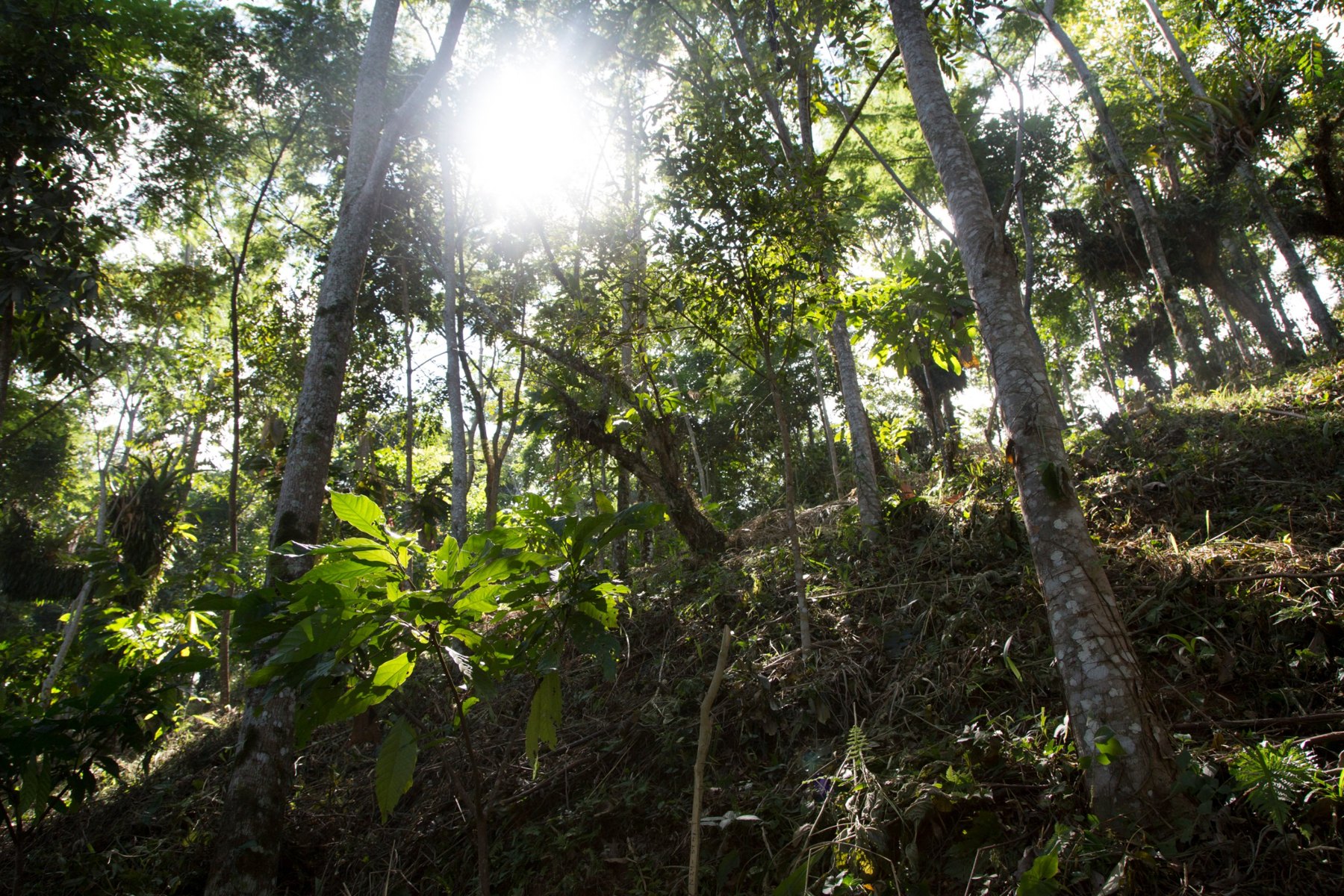
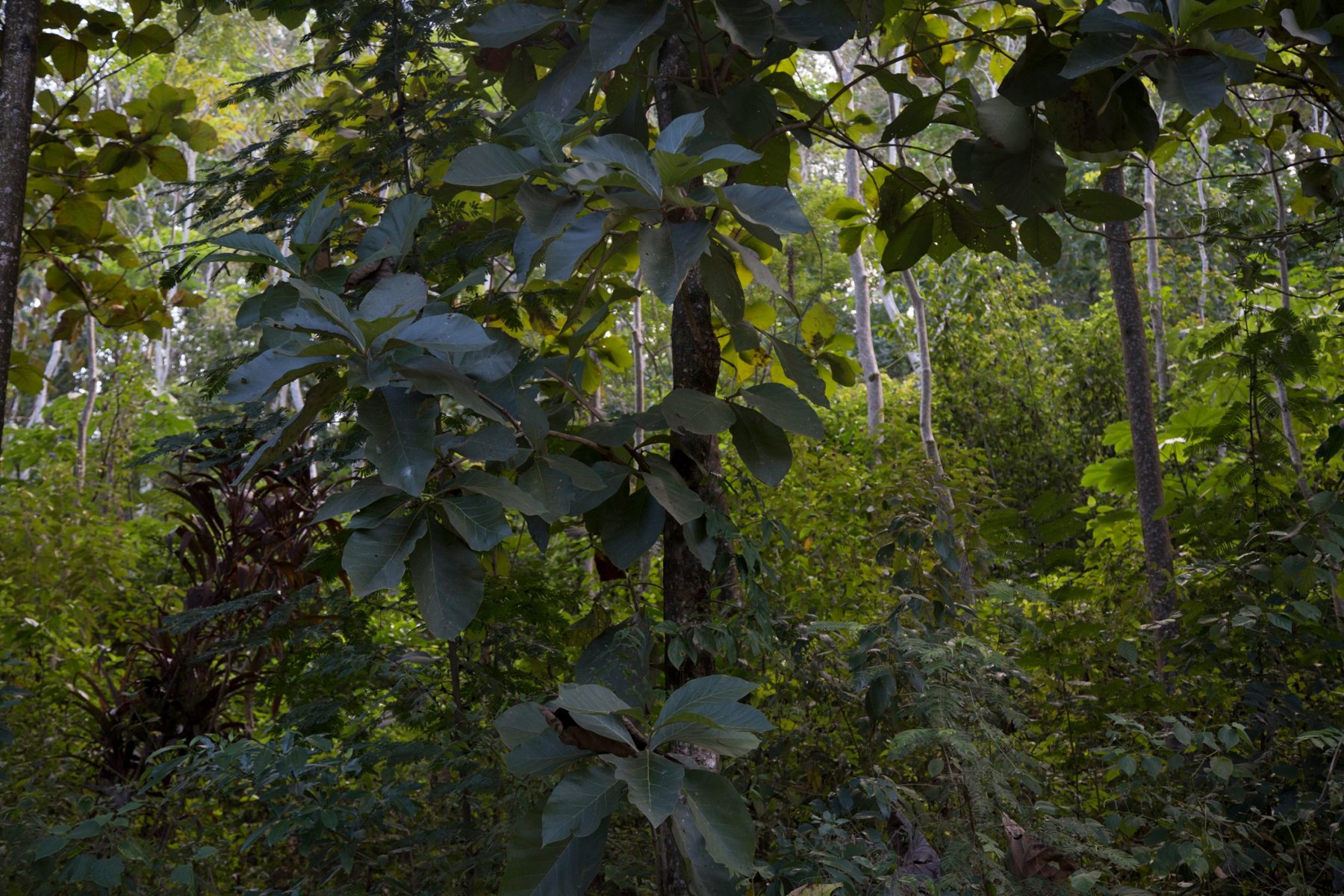
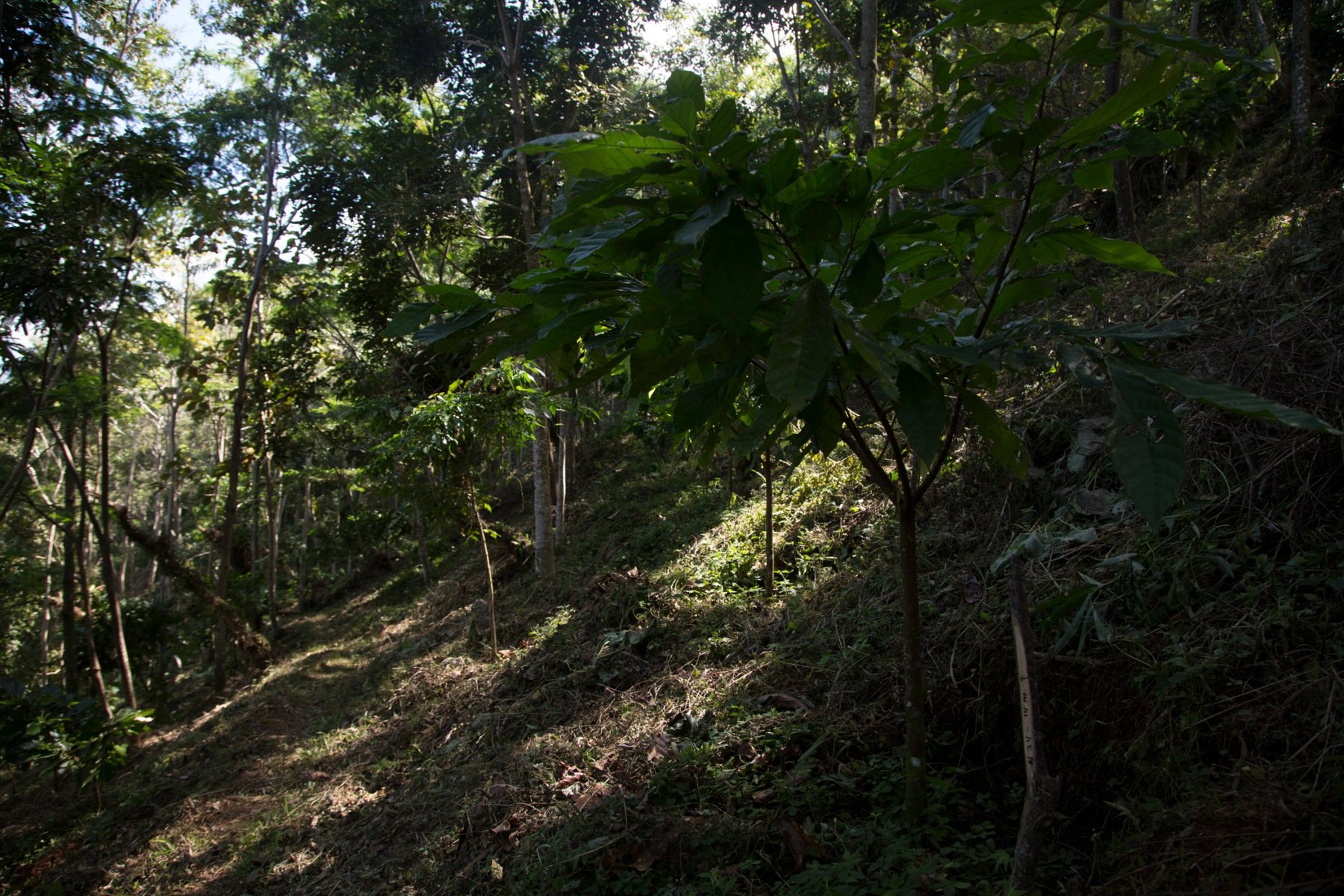

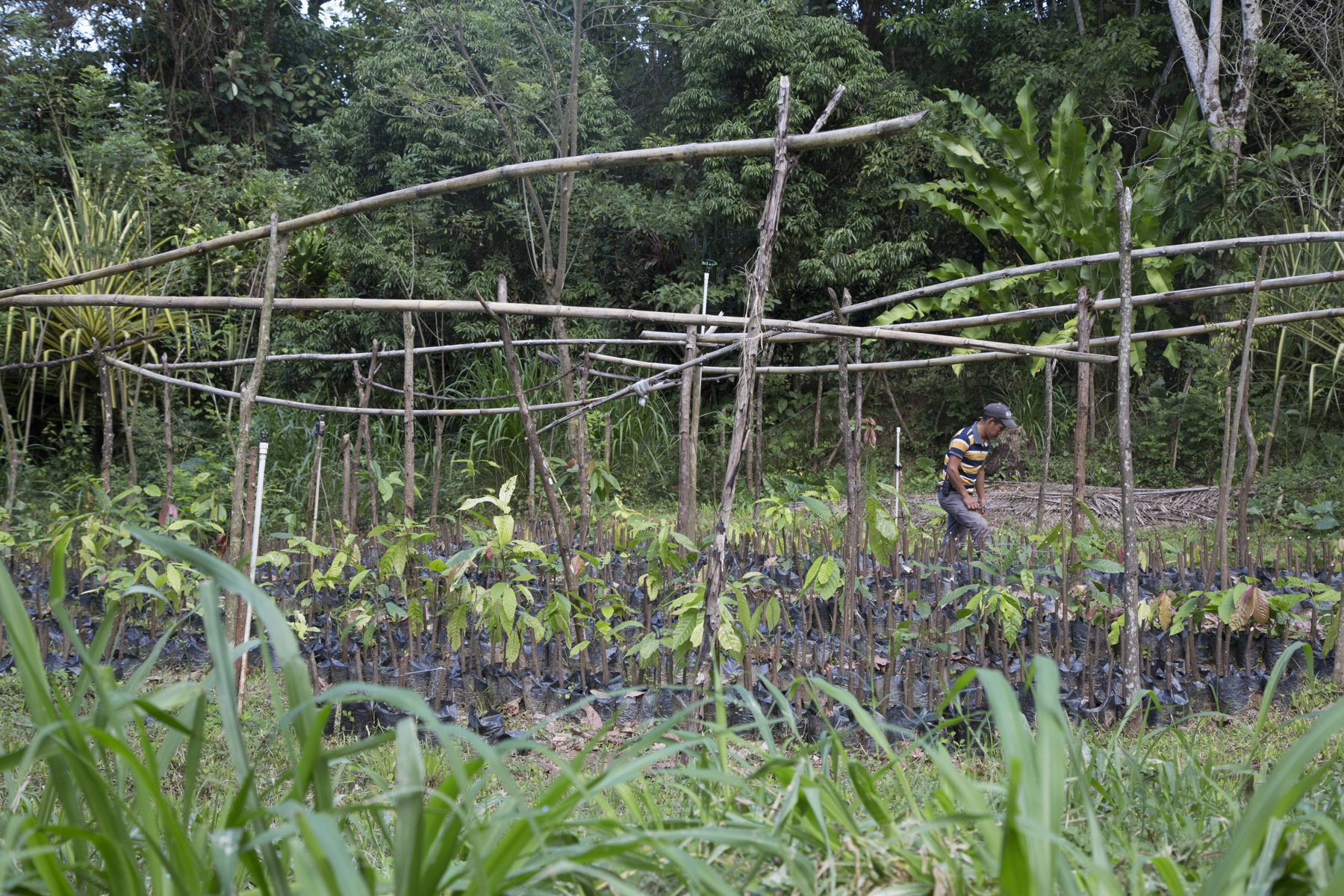
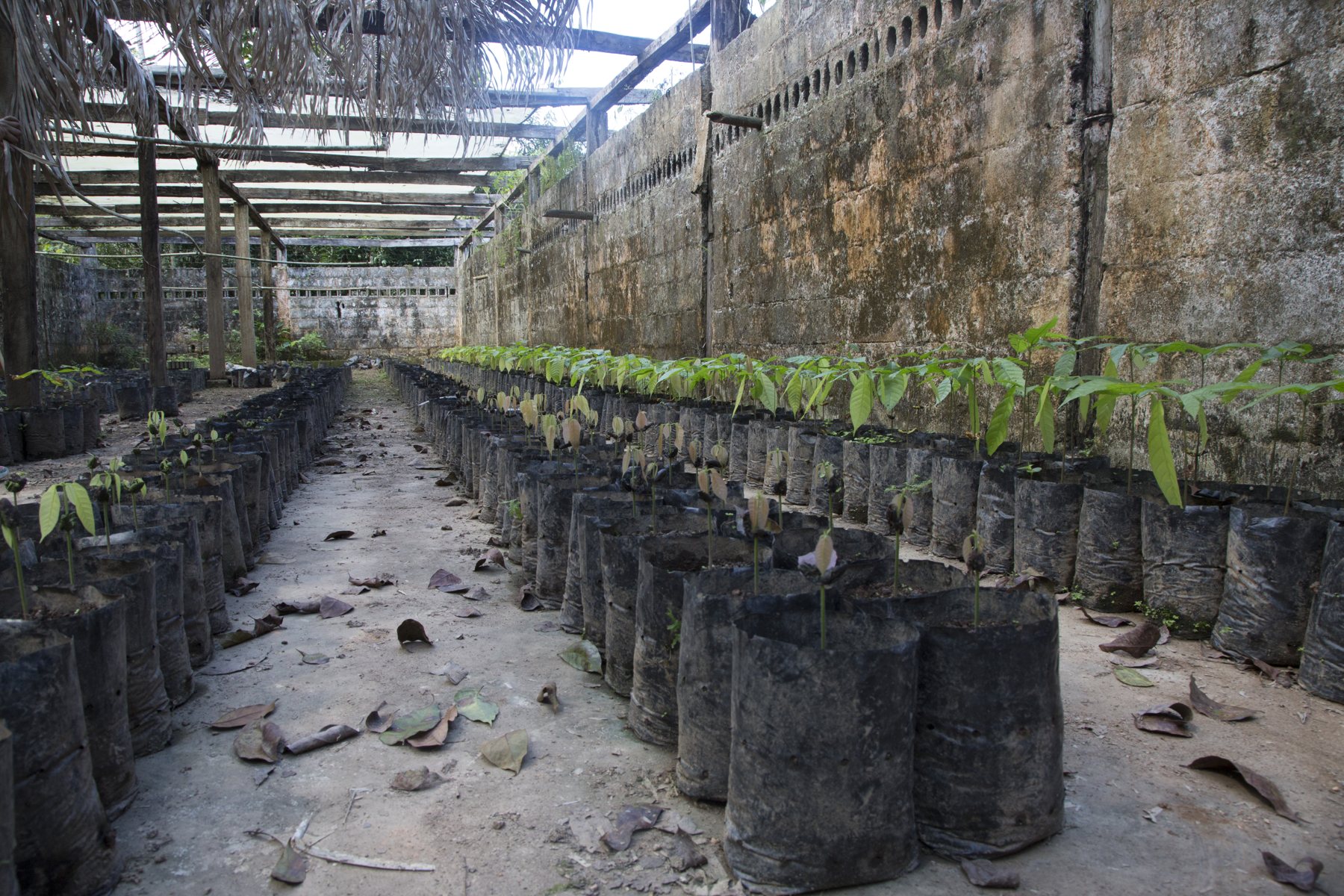
All the trees on the finca – hardwoods and cacao alike – come from its own tree nursery. Under palm roofs, the seeds germinate in bags of soil, grow up in partial shade and are only planted out once they are strong enough.

It’s not only about preserving the essence of cacao – whether in the cup, as a block or in ceremony. It’s about giving something back to the earth: the more cacao DaliLeo can produce and share, the more the species-rich forest there grows. The slopes of Finca El Porvenir, rich in flora and fauna, serve the products – but above all they secure growing ecosystems for generations to come. All in the hope of inspiring others to reforest and to farm sustainably.